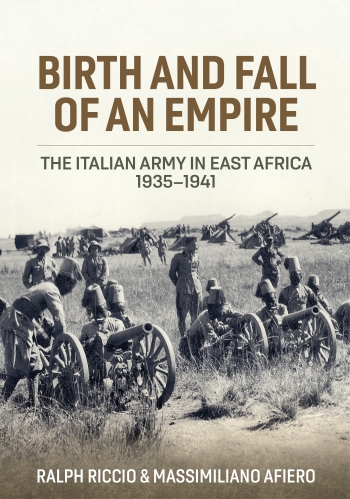
Birth and Fall of an Empire
The Italian Army in East Africa 1935-41
Author : Ralph Riccio, Massimiliano Afiero
Print Editions
Hardback
£45.00 FREE UK delivery on orders over £30
Despatched within 1-2 working days
Details
General - Pages : 388 | Images : 309 b/w photos & illustrations, 12pp colour illustrations (uniforms & vehicles), 10 b/w maps
Hardback - Date of Publication : 27th April 2024 | Size : 245mm x 170mm | ISBN : 9781804512357 | Helion Book Code : HEL1664
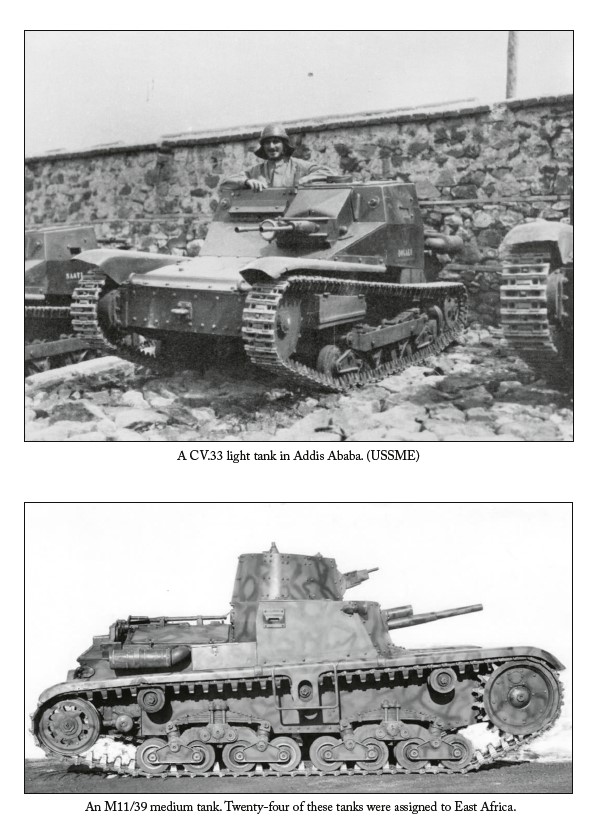

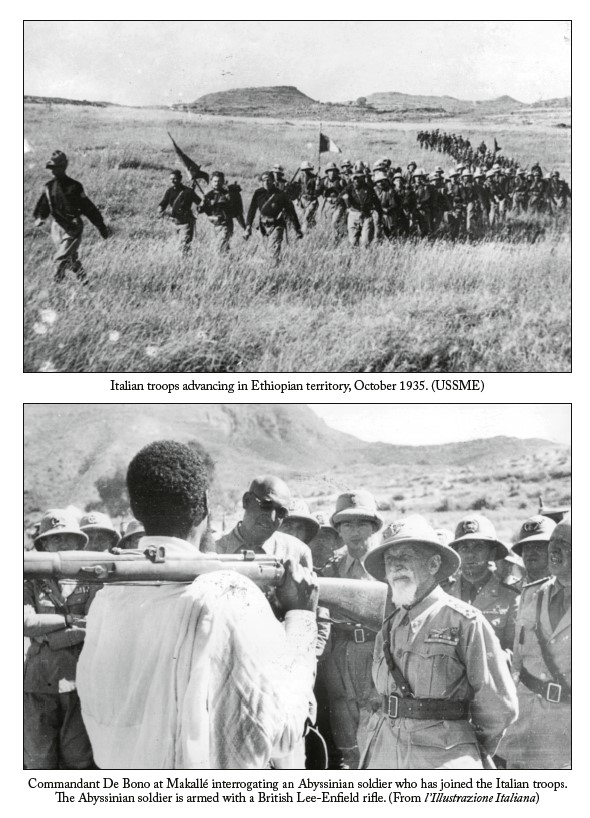
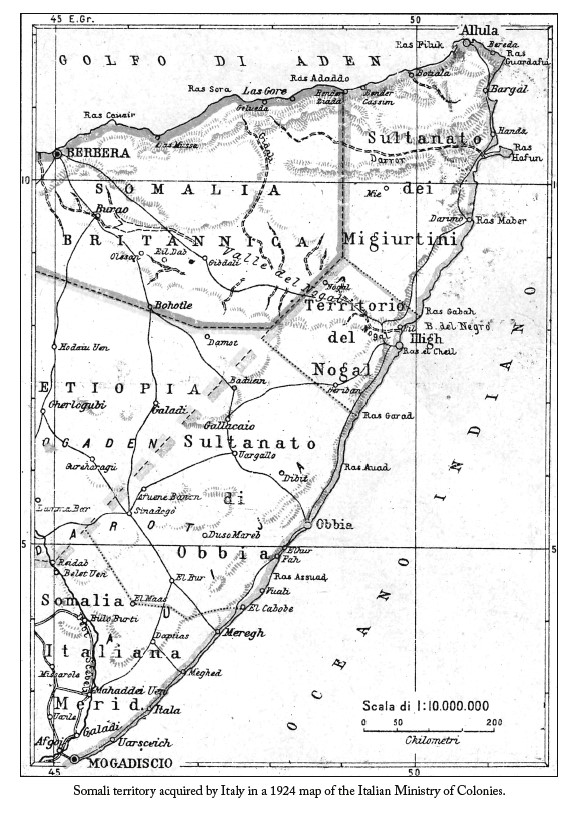
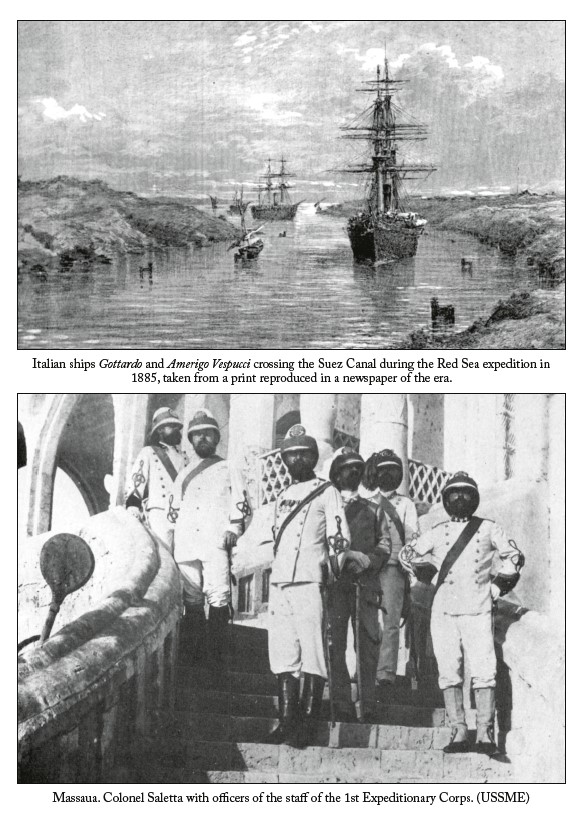
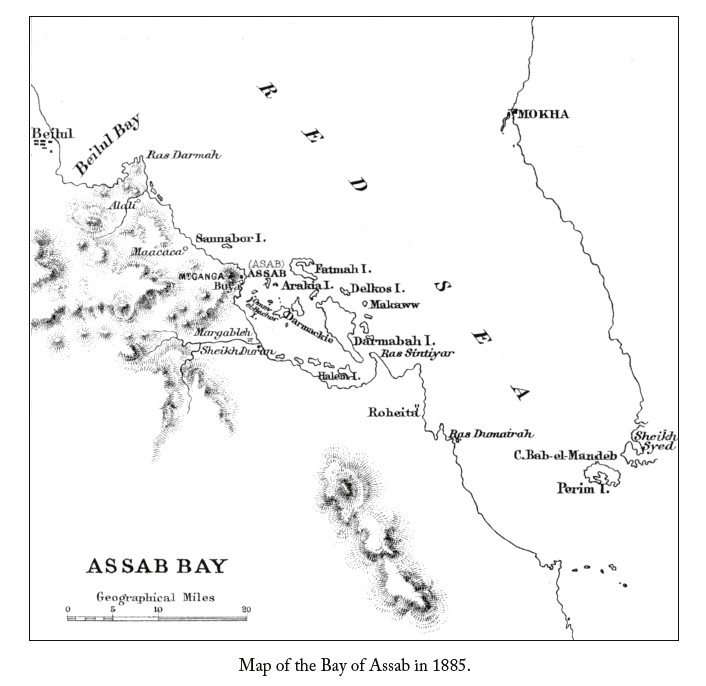
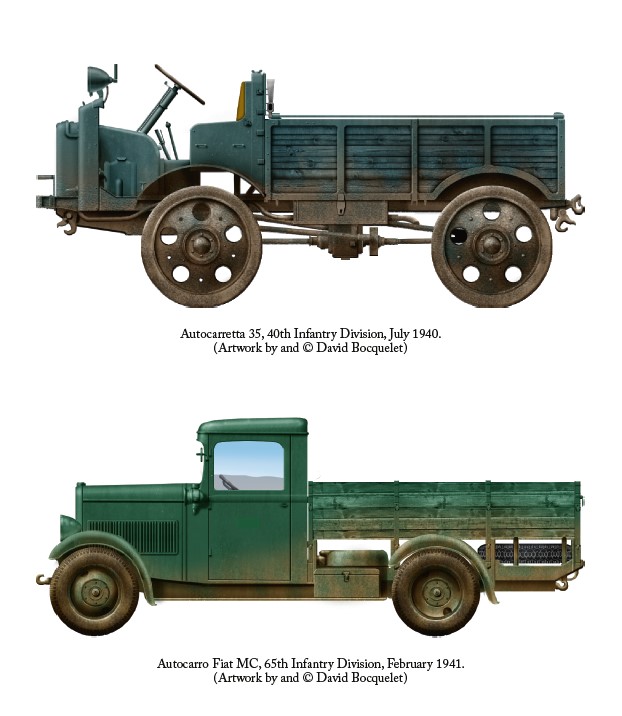

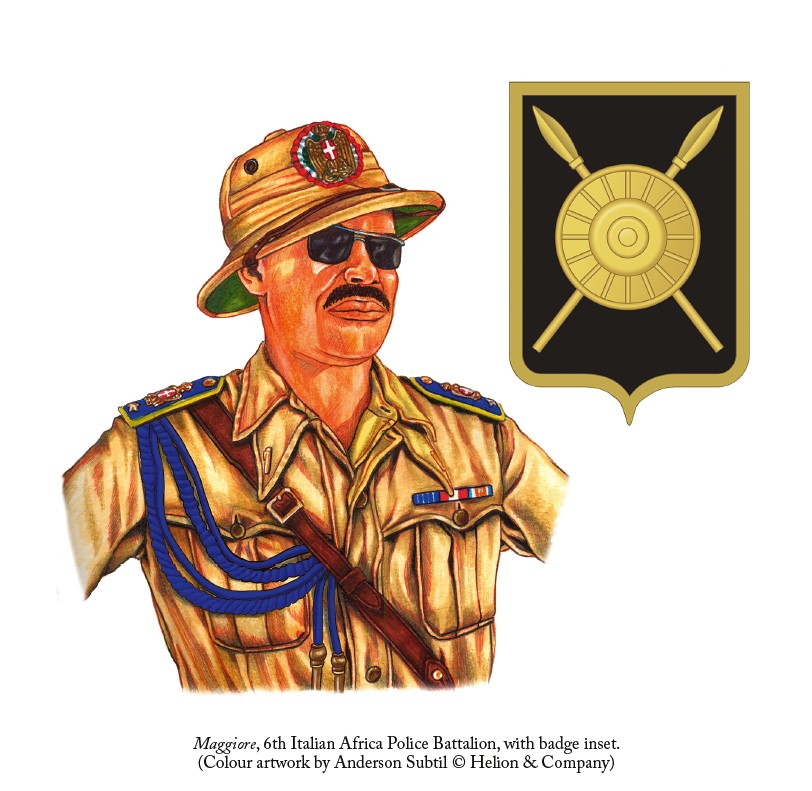
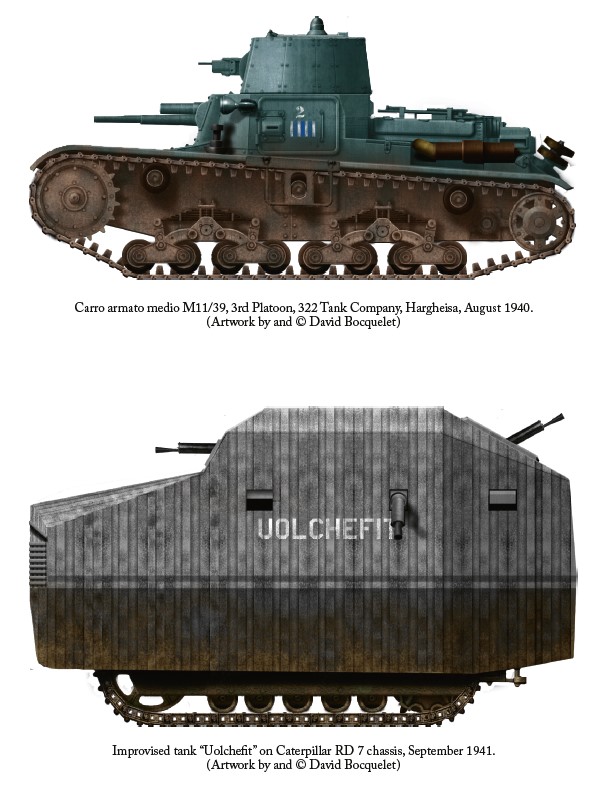
Click images to enlarge
Italy’s colonial adventure in East Africa, which had begun in the previous century and which ended abruptly with the disastrous defeat at Adua in 1896, regained impetus with the advent of Fascism which subsequently opened a campaign to expand Italian holdings in the so-called ‘Horn of Africa’.
With the Italo-Ethiopian War of 1935–1936, Italy invaded the Empire of Ethiopia and its territory and, along with Eritrea and Italian Somaliland, formed the Italian East African Empire. Between 1936 and 1940, numerous operations were conducted against Ethiopian resistance which erupted throughout the country. With the start of the Second World War, Italian East Africa was cut off and had to operate independently without aid and supplies from the mother country. Nevertheless, during the early phases of the conflict, a series of offensive operations were carried out which led to the conquest of Kassala and of British Somaliland. The inevitable and massive British counteroffensive followed which in the space of a few months completely overwhelmed Italian forces in East Africa which, nonetheless, fought valiantly, especially at Keren. Following the fall of Addis Ababa, Italian resistance continued first at Amba Alagi and then in the Gimma region and finally at Gondar, where Italian soldiers fought gloriously despite the odds.
In Birth of an Empire: The Italian Army in East Africa 1935–1941 authors Ralph Riccio and Massimiliano Afiero ably analyse principal Italian military operations with a particular focus on the period between 1940–1941.
“Each chapter ends with a large photograph and map section which is quite good. Many of the maps are from the Italian Official Histories and are in Italian. Others were made for this book and are quite helpful for those unfamiliar with the A.O.I.” The NYMAS Review