
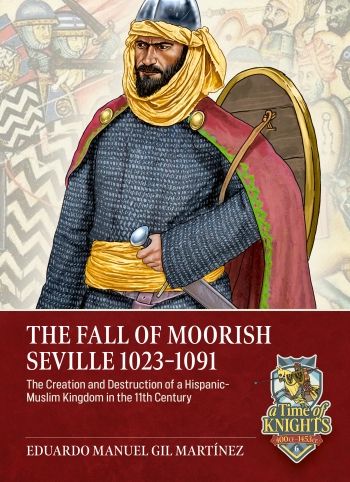
The Fall of Moorish Seville 1023-1091
The Creation and Destruction of a Hispanic-Muslim Kingdom in the 11th Century
Series : A Time of Knights #6
Author : Eduardo Manuel Gil Martinez
Print Editions
Paperback
£29.95 FREE UK delivery on orders over £30
Despatched within 1-2 working days
Digital Editions
eBook (pdf) 13.01MB
£16.99 Available for immediate download
Details
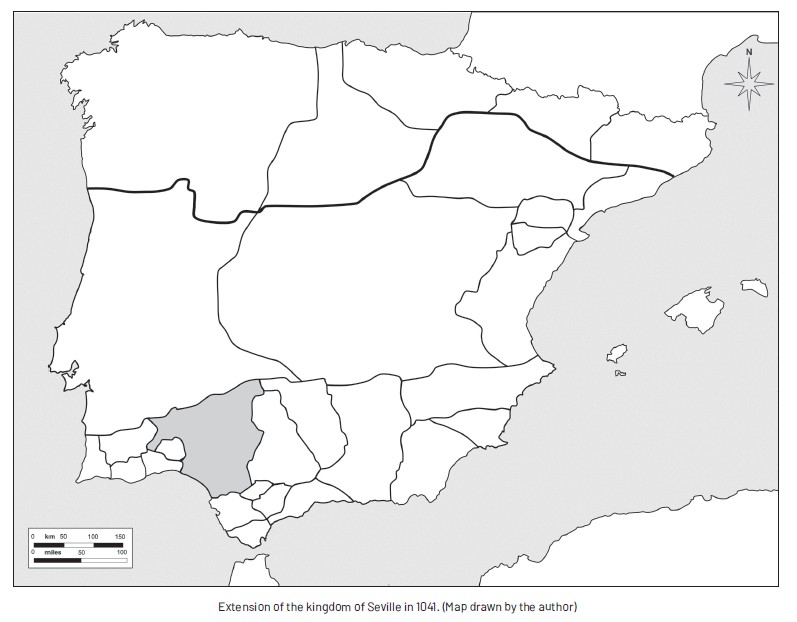
General - Pages : 204 | Images : 75 b/w photos, 22 b/w illustrations, 8 colour illustrations, 7 b/w maps
Paperback - Date of Publication : 27th January 2026 | Size : 248mm x 180mm | ISBN : 9781804518304 | Helion Book Code : HEL2043
eBook - ISBN : 9781806725717
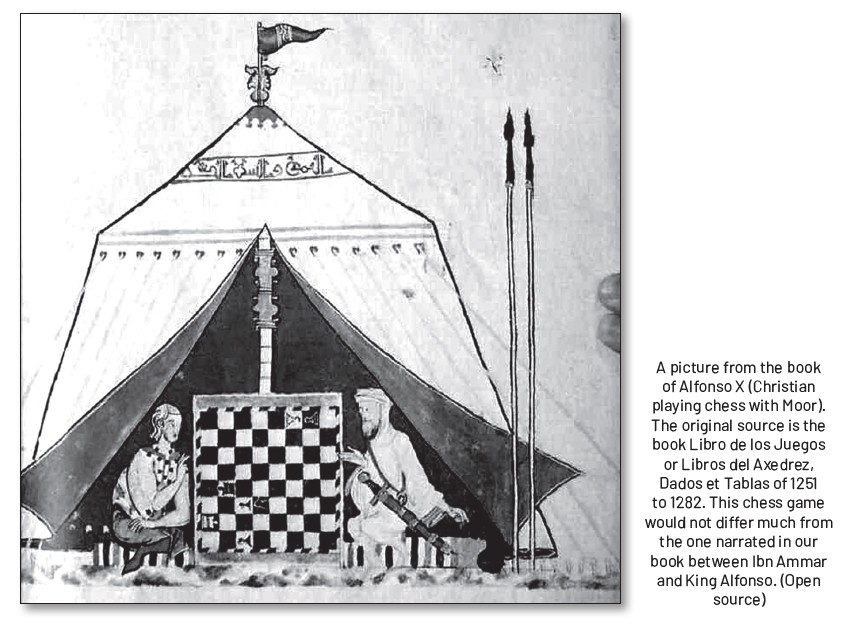
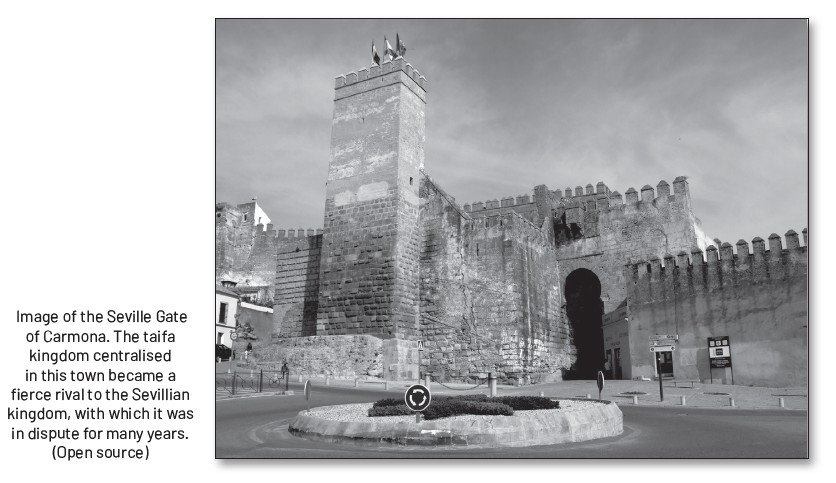
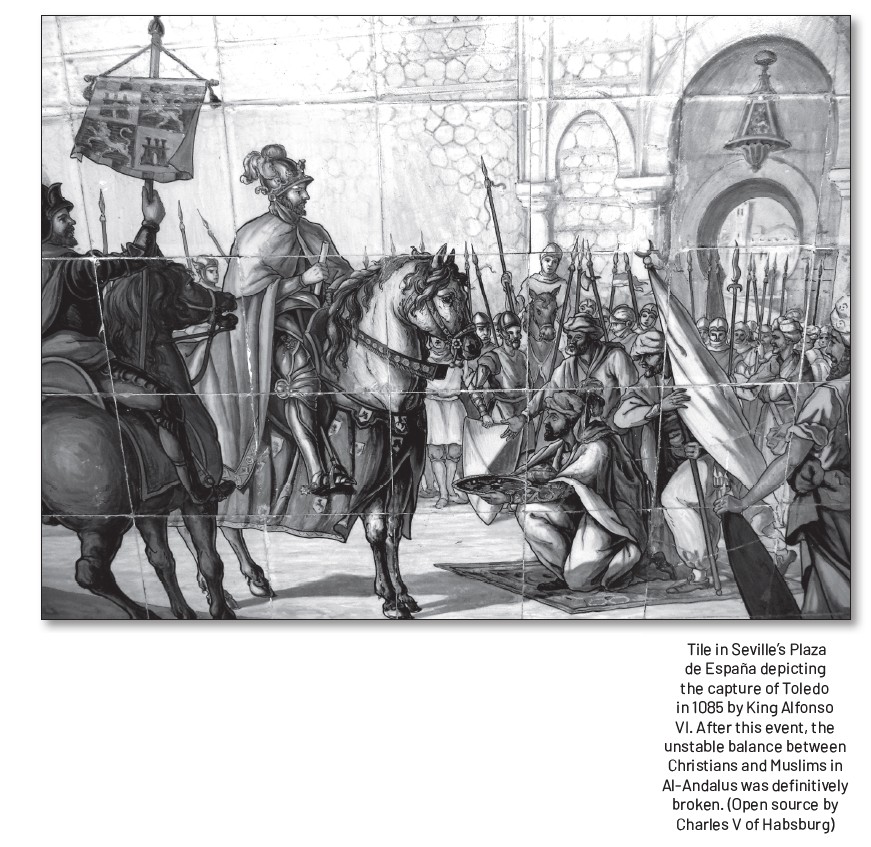
Click images to enlarge
For much of the eleventh century, Islamic Seville stood at the centre of power in al-Andalus. Wealthy, cultured, and militarily formidable, it dominated much of southern Iberia—yet its story has long remained overshadowed by the narratives of Christian kingdoms to the north. The Fall of Moorish Seville restores this remarkable taifa state to its rightful place in medieval history.
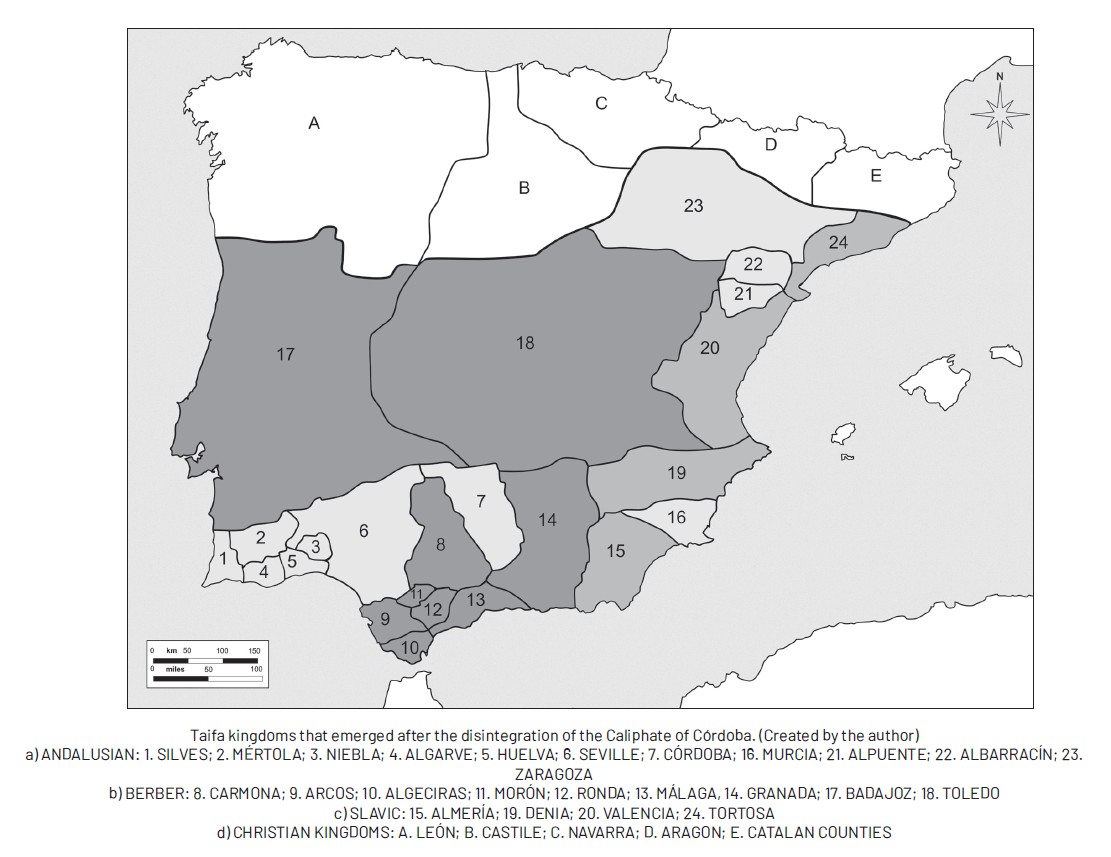
In this meticulously researched study, Eduardo Manuel Gil Martínez reconstructs the rise, flowering, and collapse of the Kingdom of Seville between 1023 and 1091. Emerging from the fragmentation of the Caliphate of Córdoba, Seville became the most powerful of the taifa kingdoms under the Abbadid dynasty, reaching its zenith during the reign of the poet-king al-Mu‘tamid. Yet its prosperity rested on precarious foundations. Constant warfare against rival Muslim states, mounting pressure from expanding Christian powers, and dependence on mercenaries and tribute gradually eroded its independence.
Rather than presenting al-Andalus as a monolithic civilisation, this book reveals a fractured political landscape marked by shifting alliances, internal rivalries, and ideological tension. Gil Martínez explores the often-neglected conflicts between Muslim kingdoms, the brutal realities of taifa warfare, and the decisive intervention of the Almoravids from North Africa—initially invited as allies, but ultimately the agents of Seville’s destruction. The narrative culminates in the dramatic fall of the city and the exile of its last ruler, bringing an abrupt end to Seville’s brief but intense period of power.
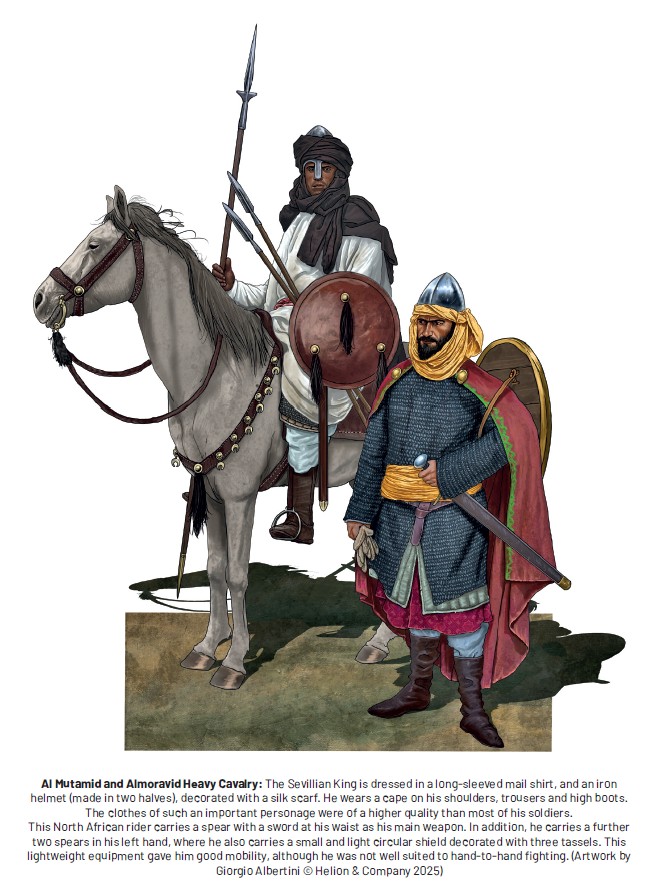
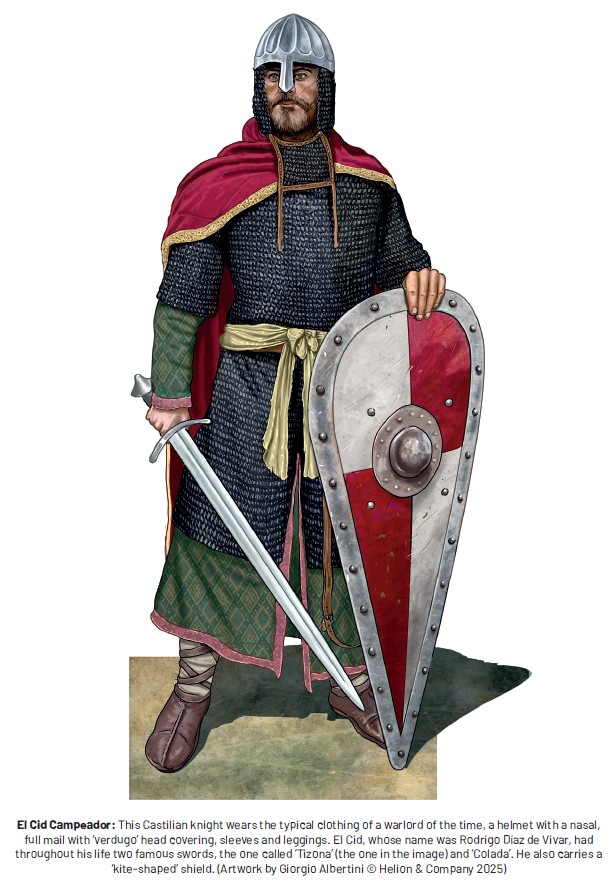
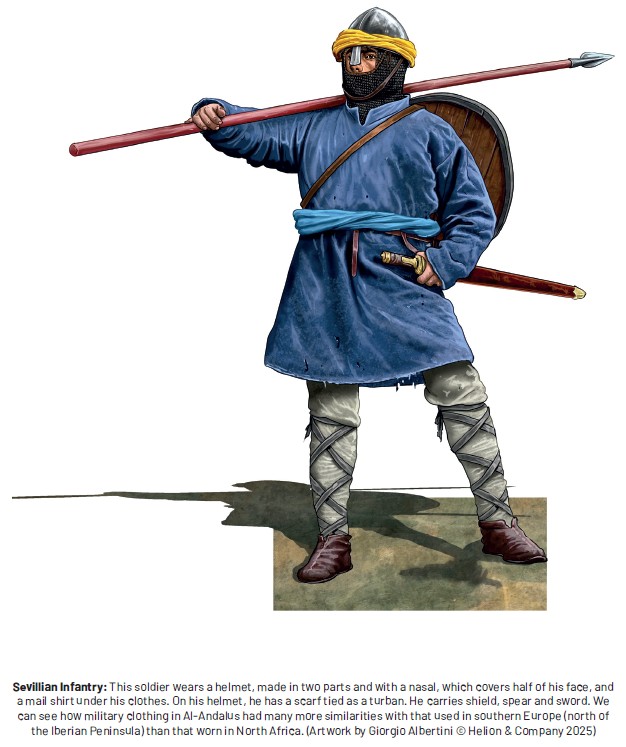
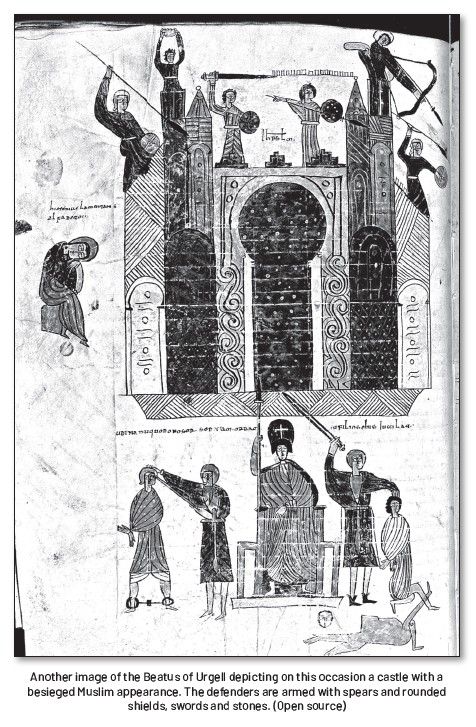
Drawing on a wide range of primary written sources and recent archaeological discoveries—including material from the palace of al-Mu‘tamid—this work combines political, military, and cultural history. Particular attention is paid to the composition of armies, arms and equipment, tactics, and the lived experience of warfare in eleventh-century Iberia. These themes are brought vividly to life through detailed colour artwork depicting Sevillian and Almoravid infantry and cavalry, as well as their Christian opponents.
The Fall of Moorish Seville challenges long-standing assumptions about medieval Spain and offers a balanced, nuanced account of a kingdom caught between worlds. It is essential reading for students of the Middle Ages, military historians, and anyone seeking a deeper understanding of the complex, often violent realities that shaped al-Andalus at the height of its power.
"This is an engaging look into a fascinating slice of medieval Iberian history. Overall, this is a strong entry in the series and a solid introduction to the taifa period. It balances storytelling and history well, and the illustrations add real value rather than feeling like filler. If you’re interested in medieval Spain or the complex world of al-Andalus, this one is definitely worth your time." carryingonupthedale.com Blog