
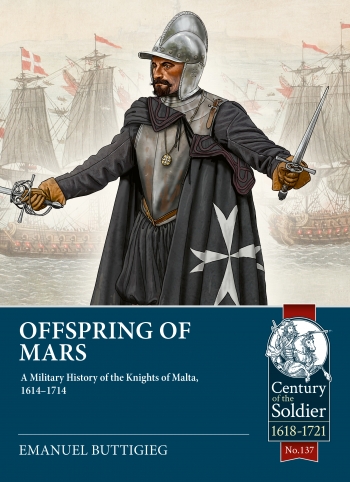
Offspring of Mars
A Military History of the Knights of Malta, 1614-1714
Series : Century of the Soldier 1618-1721 #137
Author : Emanuel Buttigieg
Print Editions
Paperback
£35.00 FREE UK delivery on orders over £30
Despatched within 6-9 working days
Details
General - Pages : 354 | Images : 46 b/w illustrations & b/w photos, 8 colour plates, 9 b/w maps, 6 tables
Paperback - Date of Publication : 29th September 2026 | Size : 248mm x 180mm | ISBN : 9781806720200 | Helion Book Code : HEL2166
Click images to enlarge
For a hundred years the Knights of Malta knew little other than war. From a single island in the middle of the Mediterranean they policed the sea lane between east and west, raided the North African and Levantine coasts, put galleys into the line alongside Venice against the Ottomans, and kept up a fighting navy out of all proportion to their size.
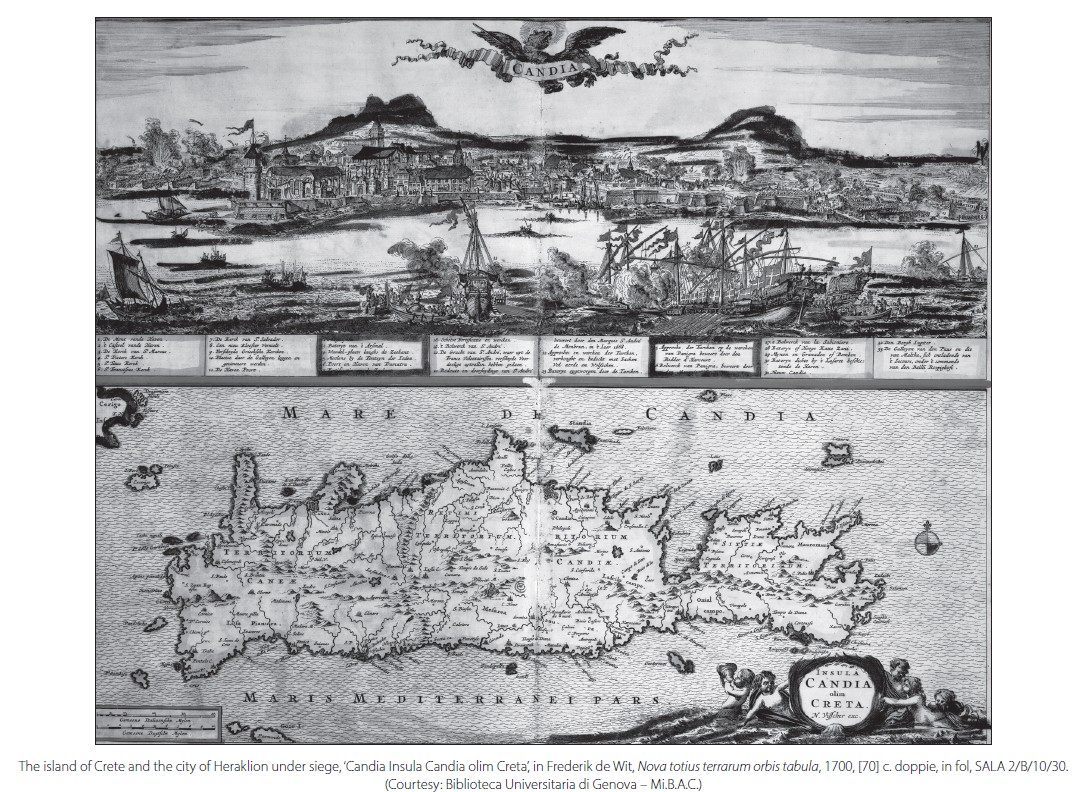
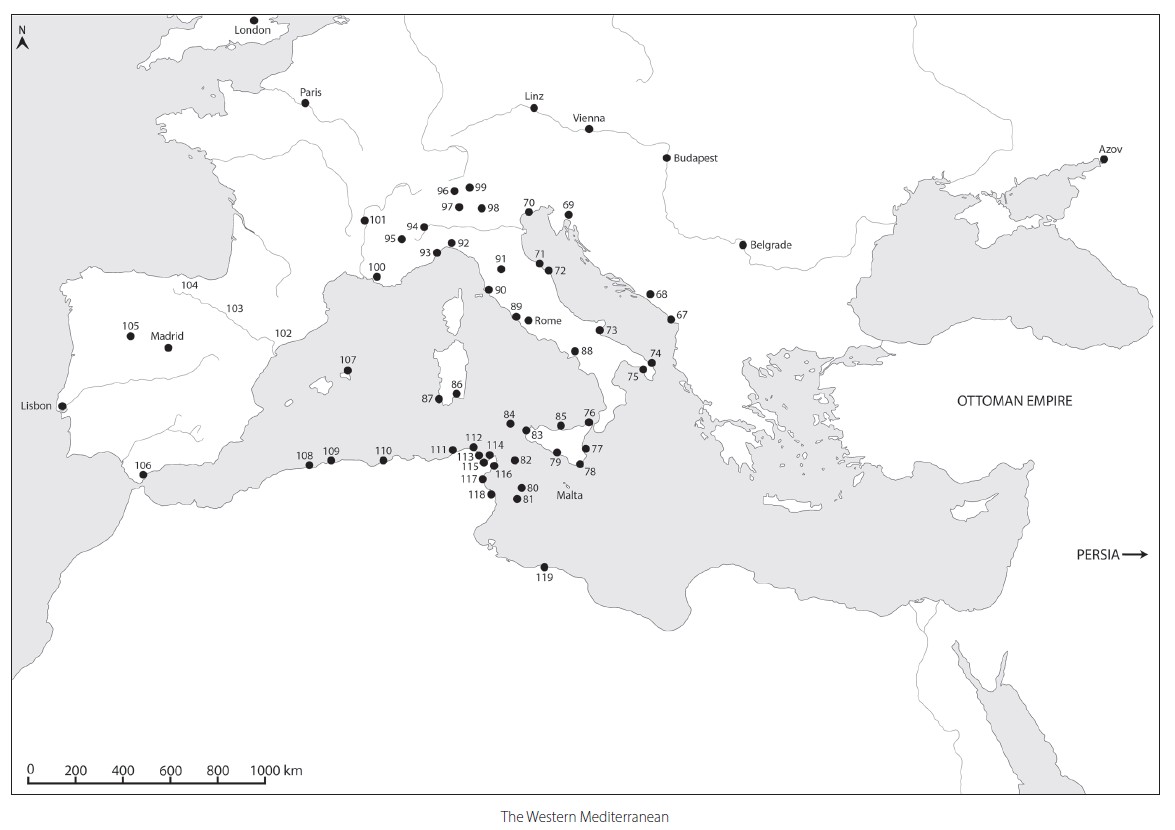
Offspring of Mars is a new military history of the Order between 1614 and 1714, a century that opens with a large Ottoman landing on Malta and closes with the island bracing for another. Emanuel Buttigieg takes the Hospitallers through the raids and running actions of the corso, the long war for Crete, the campaigns in the Morea, and the near-constant traffic of alerts, sorties and skirmishes that filled the years in between.
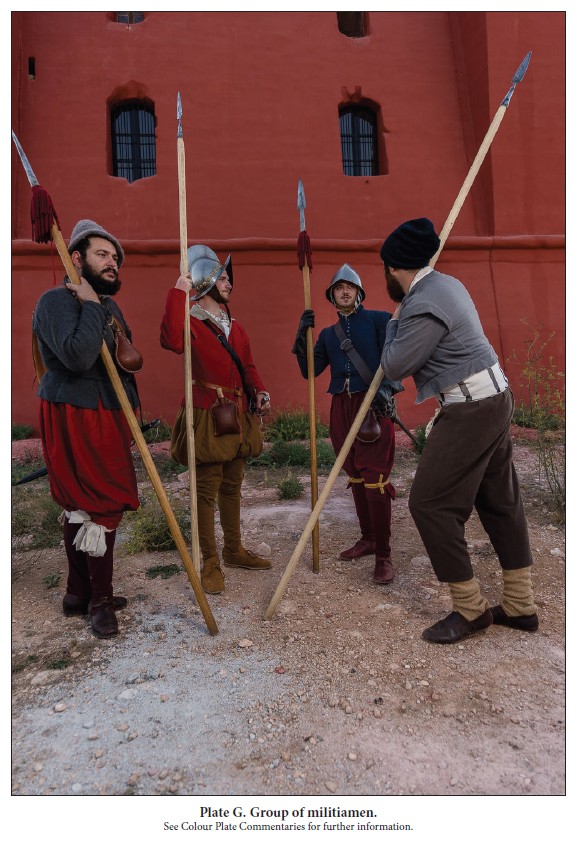
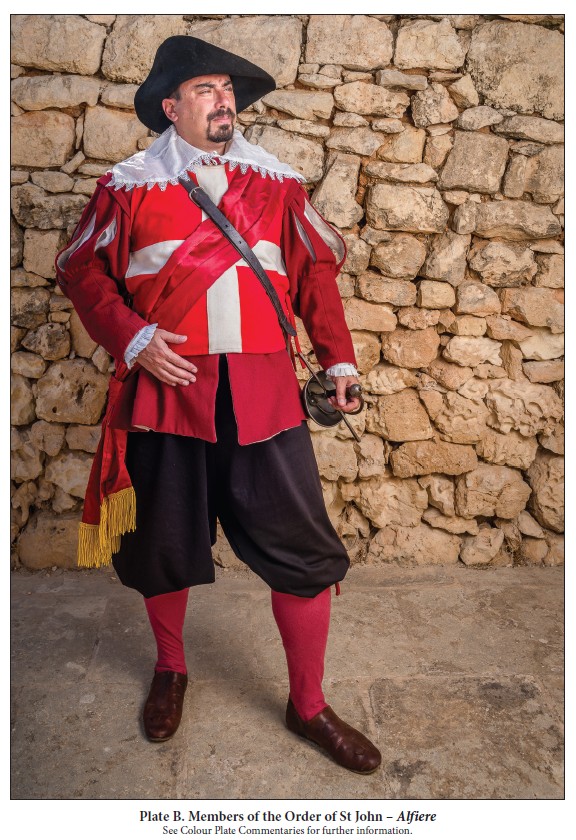
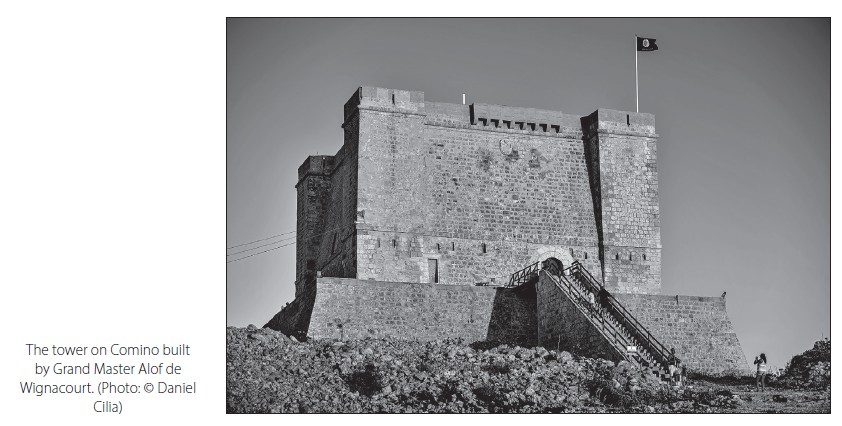
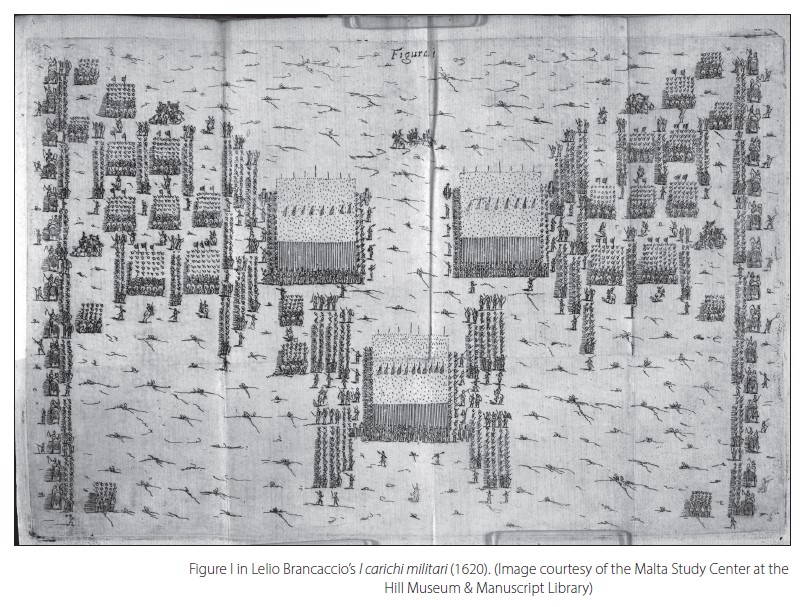
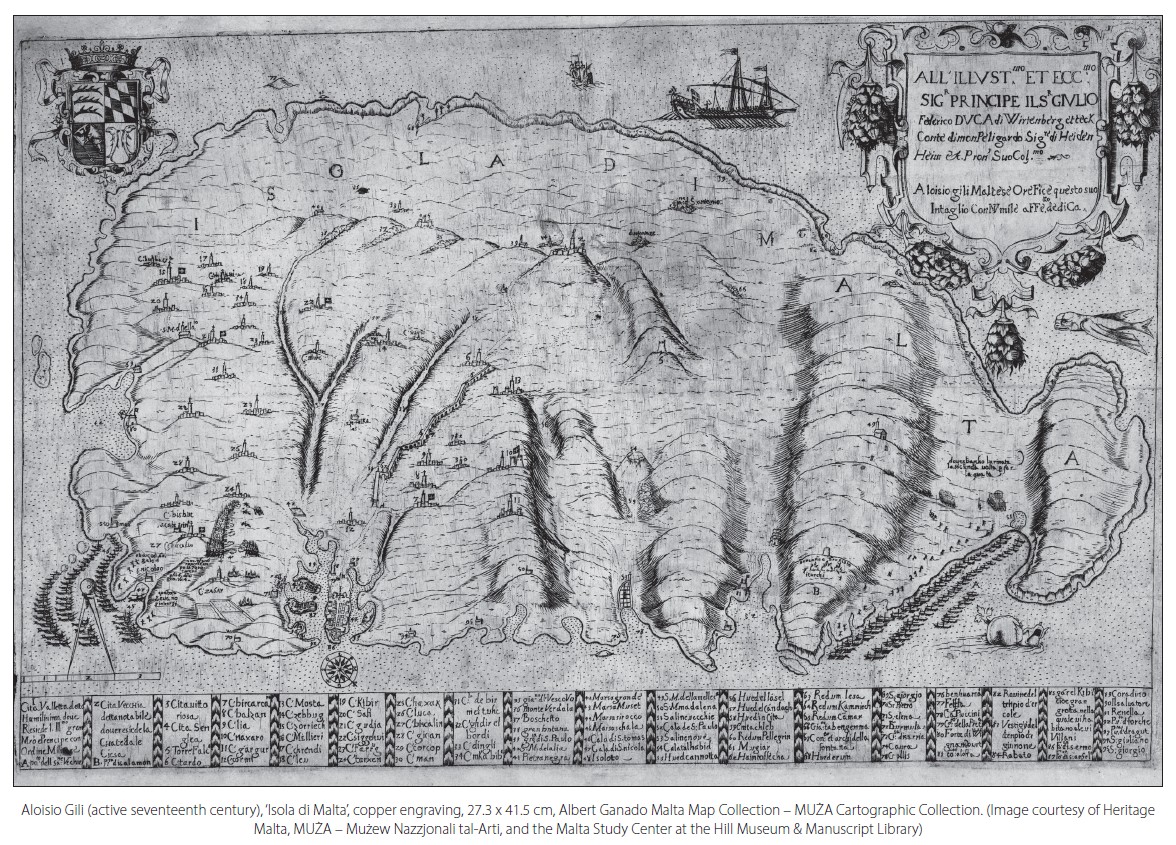
The battles and the galleys are only half of the book. Working from extensive manuscript and archival material, Buttigieg reconstructs the machinery behind them: the fortifications and their guns; the Maltese militia and coast watch; the knights, hired soldiers and men at the oars; the intelligence networks; the weapons, tactics and engineering; the finance, administration and victualling that kept the whole enterprise at sea. He is equally direct about the corsairing, trade, ransoming and slavery on which Mediterranean warfare depended, and without which none of it could have run.
Hospitaller Malta emerges here as three things at once — a military order, a sovereign state and a naval power — a society organised for war, in which government and daily life alike carried its imprint, and where survival meant keeping old institutions in step with new ships, new weapons and new methods of fighting.
Religion mattered, and mattered fundamentally, but this was no straightforward Christian–Muslim frontier. Alliances, rivalries, commerce, politics, environment and plain necessity crossed confessional lines again and again. Buttigieg puts the Knights of Malta back into that tangled world, and along the way substantially reworks our picture of warfare and military society in the seventeenth-century Mediterranean.