
King George's Army: British Regiments and the Men Who Led Them 1793-1815 Volume 4
British Infantry - 61st to 104th Regiments of Foot
Series : From Reason to Revolution 1721-1815 #149
Author : Steve Brown

Print Editions
Paperback
£35.00 FREE UK delivery on orders over £30
Despatched within 1-2 working days
Digital Editions
eBook (pdf) 7.89MB
£16.99 Available for immediate download
Bundles
This book is also available as part of the following bundles
Details
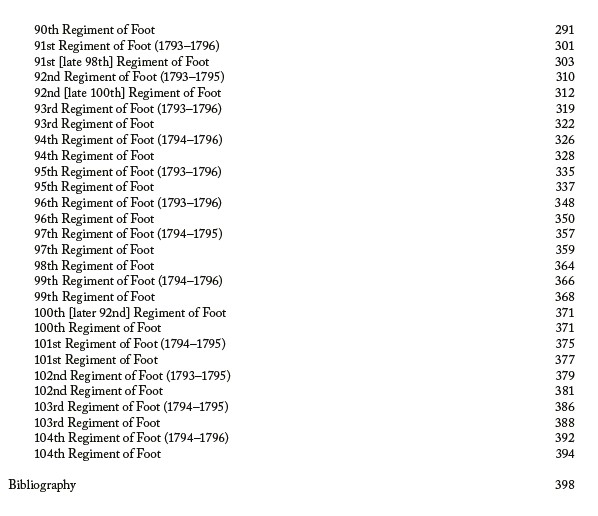
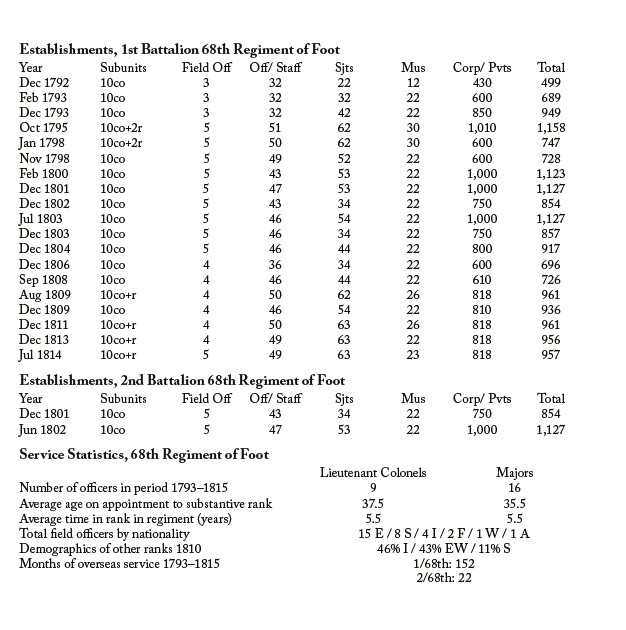
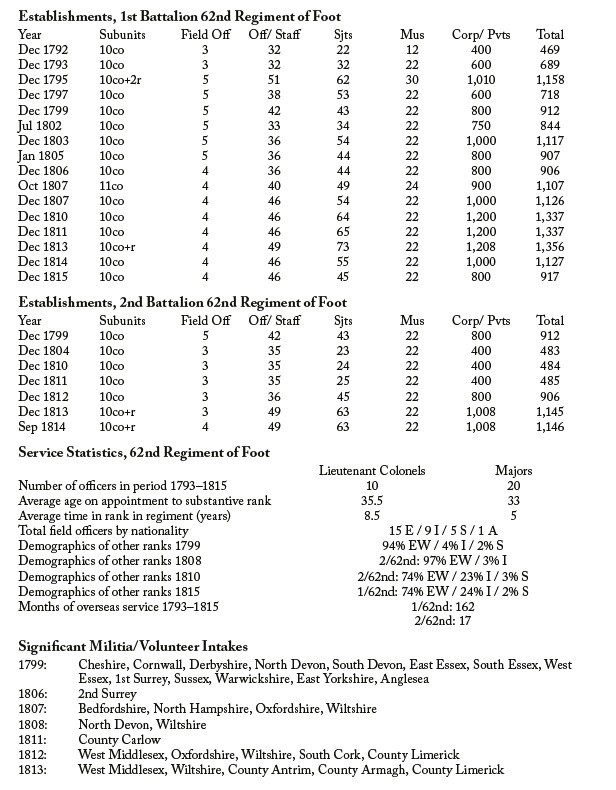
General - Pages : 406 | Images : Tables throughout
Paperback - Date of Publication : 19th August 2025 | Size : 245mm x 170mm | ISBN : 9781804516768 | Helion Book Code : HEL1946
eBook - ISBN : 9781806724284




Click images to enlarge
King George’s Army: British Regiments and the Men who Led Them 1793–1815 will contain five volumes, with coverage given to army administration and cavalry regiments (Volume 1), infantry regiments (Volumes 2, 3 and 4), and ordnance (Volume 5). It is the natural extension to the web series of the same name by the same author which existed on The Napoleon Series from 2009 until 2019, but greatly expanded to include substantially more biographical information as well as biographies of leading political figures concerned with the administration of the army as well as commanders in chief of all major commands.
Volume 4 covers in great detail the 61st to 104th Regiments of Foot within the army of King George III for the period of the Great War with France; and the men who commanded them. Regimental data provided includes short-form regimental lineages, service locations and dispositions for the era, battle honours won, tables of authorised establishments, demographics of the field officer cohorts and the men, and even sources of recruits from the militia. But the book is essentially concerned with the field officers, the lieutenant colonels and majors who commanded the regiments, and Volume 4 alone contains around 1,200 mini-biographies of men who exercised such command, including their dates of birth and death, parentage, education, career (including political), awards and honours, and places of residence. Volume 5 will extend the coverage to ultimately record over 4,500 biographies across more than 200 regiments.
These biographies will show the regimental system in action, officers routinely transferring between regiments for advancement or opportunity, captains who were also (brevet) colonels, many who retired early, some who stayed the distance to become major generals and beyond. Where it has been possible to accurately ascertain, advancement by purchase, exchange or promotion has also been noted.
Readers with military ancestors will no doubt find much of interest within, and the author hopes that the work will allow readers to break down a few ‘brick walls’; either through connecting to the officers recorded, or through an understanding of the movements of the regiments around the world, or from the volunteering patterns of the militia regiments into the regular army.
Encyclopaedic in scope, and aimed to be a lasting source of reference material for the British army that fought the French Revolution and Napoleon between 1793 and 1815, King George’s Army: British Regiments and the Men who Led Them will hopefully be a necessary addition to every military and family history library for years to come.
Steve Brown’s fourth volume in the acclaimed series, King George’s Army, British Regiments and the Men Who Led Them 1793–1815, continues to set a high standard for regimental reference works. This volume focuses on the 61st to 104th Regiments of Foot, offering a comprehensive and meticulously researched account of their formation, service records, structure, and—most notably—detailed officer profiles. The author’s commitment to accuracy is evident in the extensive use of primary sources, including muster rolls, army lists, and official documents. This approach ensures that the data presented is both reliable and invaluable for serious researchers....This volume maintains the high standards set by previous entries in the series. Its rigorous methodology and wealth of detail ensure it will remain a cornerstone reference for those interested in British military history of the late 18th and early 19th centuries." carryingsonupthedale blog