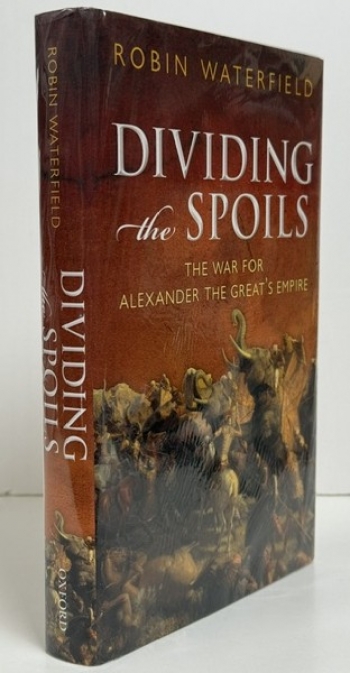
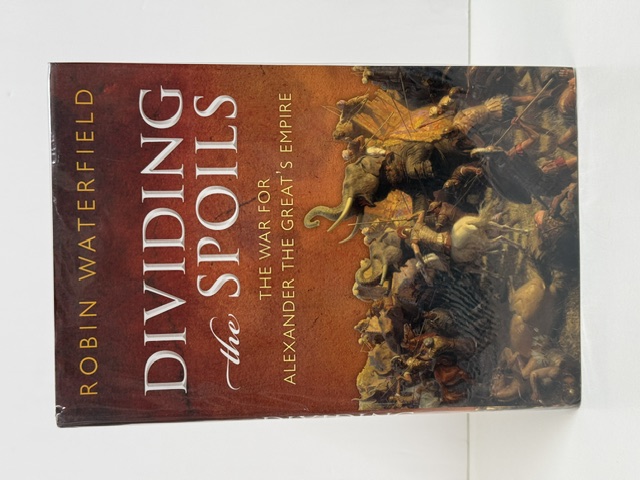
Second Hand Dividing the Spoils
The War for Alexander the Great’s Empire
Series : Ancient Warfare and Civilization
Author : Robin Waterfield
£25.00 FREE UK delivery on orders over £30
Despatched within 1-2 working days
Please click here to view our Terms & Conditions when purchasing Second Hand Books.
Condition
Very good in very good dust jacket.
The dust jacket shows light general shelf and handling wear, including minor rubbing and slight creasing to the edges and corners.
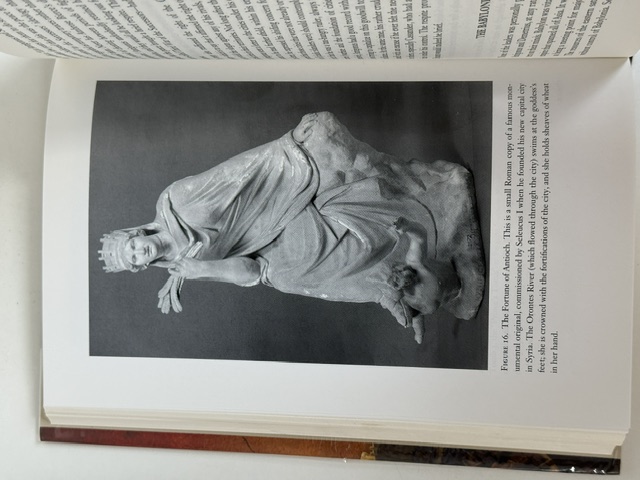
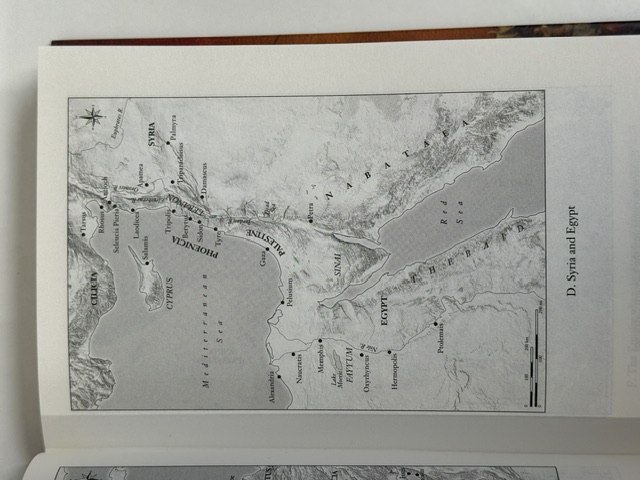
The boards and binding appear firm and secure. The page block is clean and square, and the internal pages appear bright and generally unmarked. The maps and black-and-white illustrations present well.
No ownership inscriptions, highlighting or loose pages.
Details
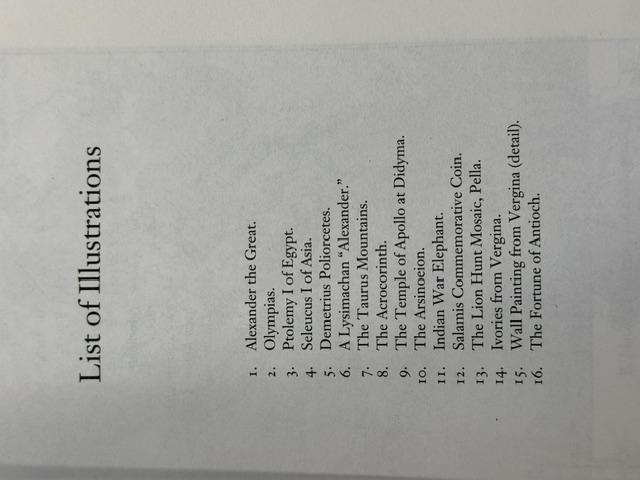
General - Pages : 273 | Images : 16 black-and-white illustrations, together with maps | Publisher : Oxford University Press | Place of Publication : Oxford, United Kingdom | Language : English
Hardback - Year of Publication : 2011 | Edition : First edition | Size : 241mm x 165mm | ISBN : 9780199573929
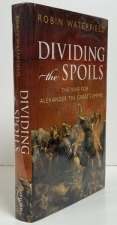
Click images to enlarge
Robin Waterfield’s account of the violent struggle for control of Alexander the Great’s empire following his death at Babylon in 323 BC.
Alexander had created an empire stretching from Greece and Egypt through Persia and Central Asia to the Indian subcontinent, but he left no adult heir capable of taking control. His sudden death therefore triggered decades of conflict between his senior generals, relatives and successors as they attempted to divide, preserve or reconstruct his conquests.
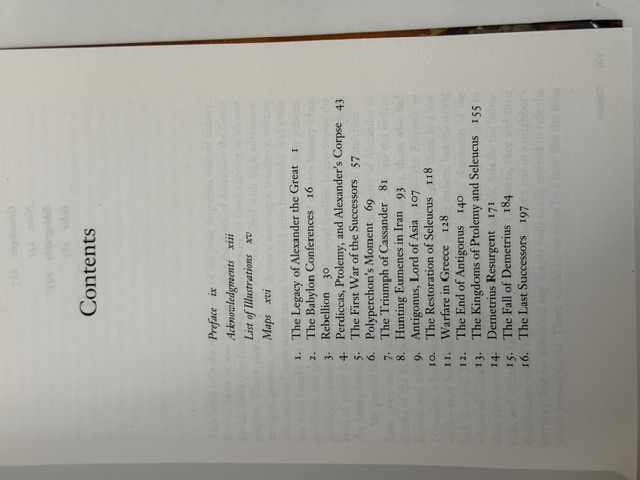
Waterfield traces the turbulent Wars of the Successors, beginning with the settlement at Babylon and the competing ambitions of figures such as Perdiccas, Ptolemy, Antigonus, Seleucus and Cassander. The narrative follows rebellions, shifting alliances, assassinations and major campaigns as Alexander’s former commanders fought for supremacy.
Particular attention is given to the rise and fall of Antigonus Monophthalmus, the establishment of Ptolemaic Egypt and the Seleucid Empire, and the gradual emergence of the principal Hellenistic kingdoms from Alexander’s fragmented dominions. The book concludes by considering the enduring political and cultural consequences of the successor wars.
Illustrated with 16 historical and archaeological images and supported by maps, the volume provides an accessible but detailed introduction to one of the most important periods in the formation of the Hellenistic world. Oxford bibliographic records describe the book as an illustrated 2011 edition of 273 pages.