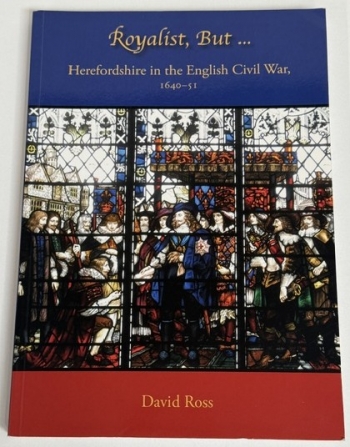
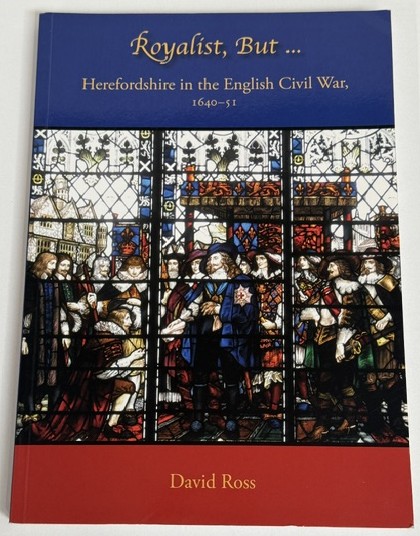
Second Hand Royalist, But
Herefordshire in the English Civil War, 1640–51
Author : David Ross
£15.00 FREE UK delivery on orders over £30
Despatched within 1-2 working days
Please click here to view our Terms & Conditions when purchasing Second Hand Books.
Condition
Good condition. Paperback with general light shelf wear, rubbing and surface marking to the laminated covers. There is some wear to the corners and edges, including a noticeable crease and small surface crack to the upper corner of the cover.
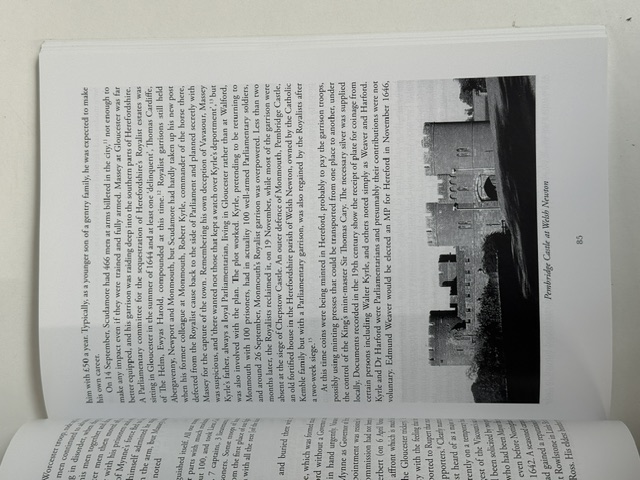
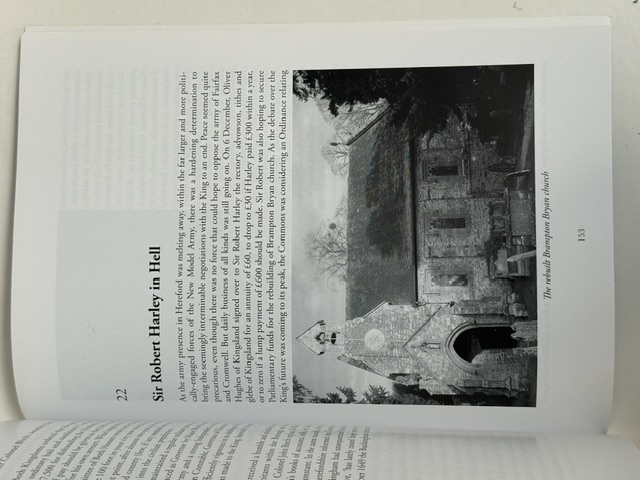
The spine remains intact and the binding appears firm. Internally, the pages are clean and bright, and the black-and-white photographs and other illustrations present well. No ownership inscriptions, highlighting or missing pages.
Details
General - Pages : 194 | Images : Illustrated with black-and-white photographs and illustrations. | Publisher : Logaston Press | Place of Publication : Herefordshire, UK | Language : English
Paperback - Year of Publication : 2012 | Edition : First edition | Size : 242mm x 171mm | ISBN : 9781906663636

Click images to enlarge
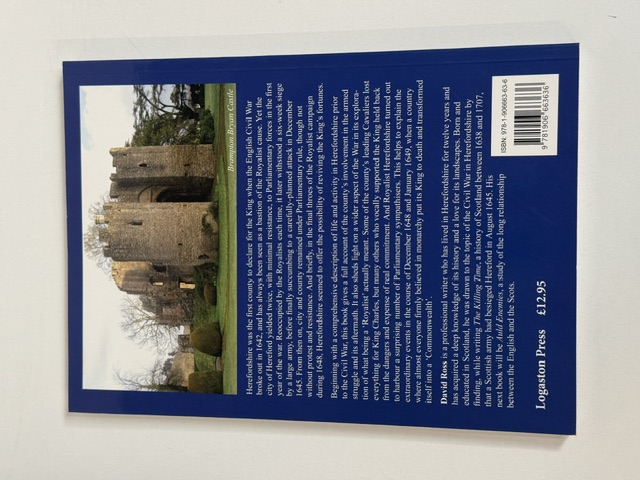
A detailed study of Herefordshire during the English Civil War, examining both the county’s reputation as a Royalist stronghold and the much more complicated reality of local political and military allegiance.
On the eve of the Civil War, most of Herefordshire’s leading families broadly supported Charles I, with the notable exception of the Harley family of Brampton Bryan. The county consequently became an important source of recruits and support for the Royalist cause. As the conflict developed, however, enthusiasm for the King was often qualified by local interests, personal rivalries, financial pressures and a desire to avoid the disruption of prolonged warfare.
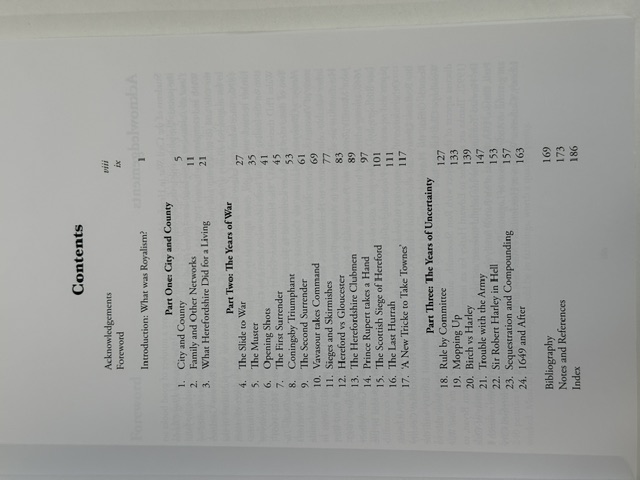
David Ross traces the course of the war in Herefordshire from the political and social background of the county through the opening stages of hostilities, sieges, skirmishes and changes of control. Chapters examine figures including Sir Robert Harley, the activities of Royalist and Parliamentarian forces, the capture and recapture of towns and castles, and the uncertainty that followed the main period of fighting.
The final sections consider the aftermath of the conflict and the position of Herefordshire after 1649. Illustrated with photographs of surviving churches, castles and other locations connected with the Civil War, the book combines local history with a broader examination of the military and political experience of an English county during the 1640s.