Second Hand Kent and the Great Civil War
Author : Henry Francis Abell
£30.00 FREE UK delivery on orders over £30
Despatched within 1-2 working days
Please click here to view our Terms & Conditions when purchasing Second Hand Books.
Condition
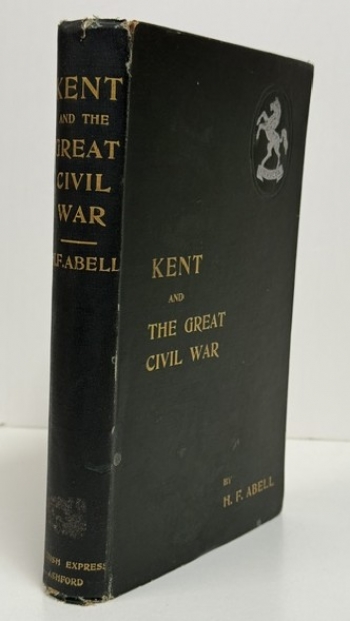
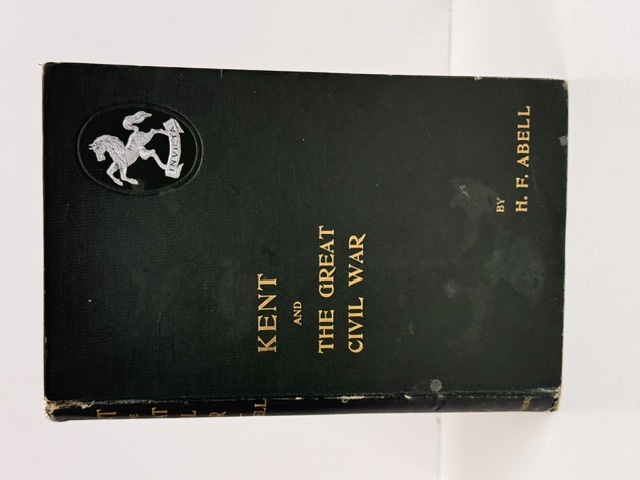
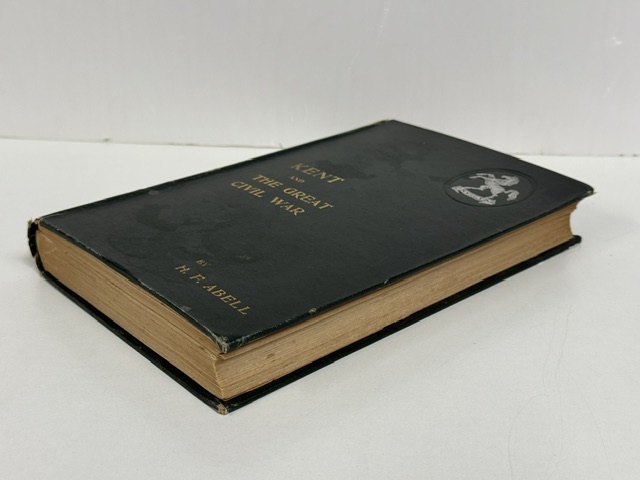
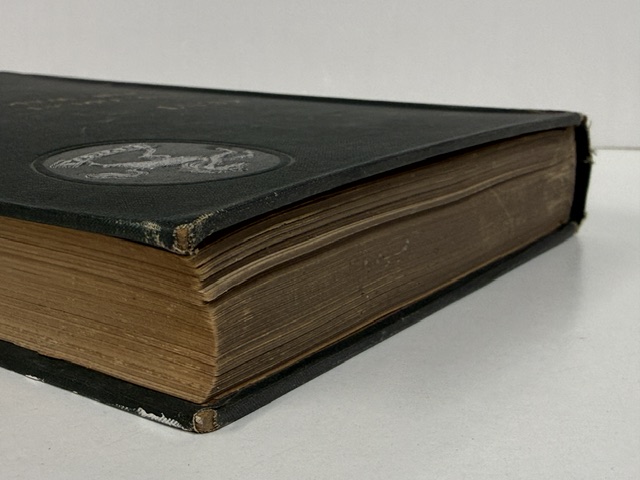
Fair to good condition. Original dark green cloth hardback with gilt lettering to the front board and spine and the Kent horse emblem to the upper board. No dust jacket.
The boards show considerable age-related rubbing, scuffing and marking, with wear and small areas of loss to the corners and edges. The spine ends are rubbed and frayed, with heavier wear at the head. The page block is strongly age-toned.
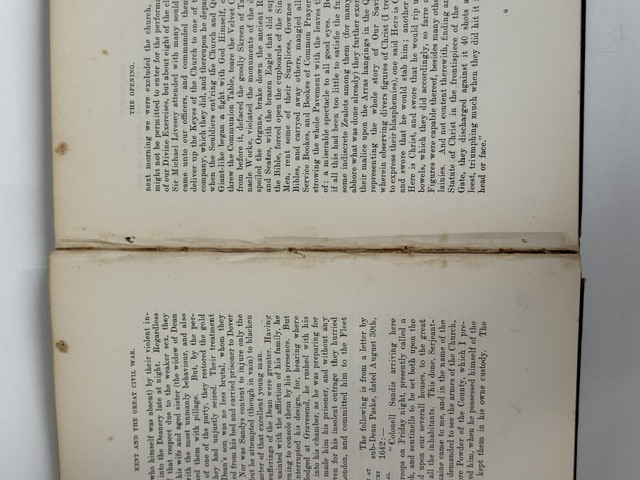
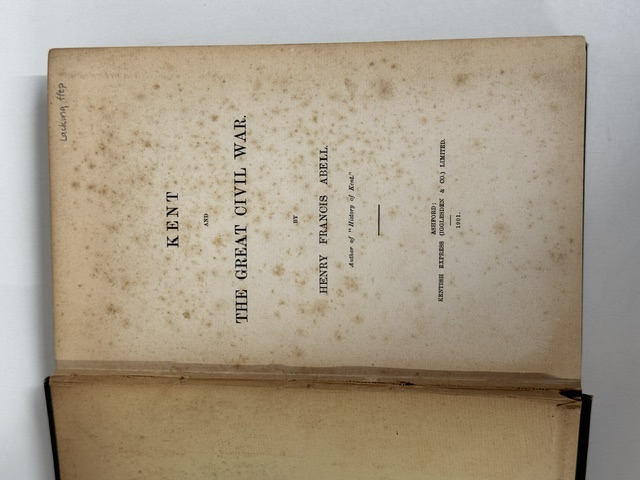
Internally, there is extensive foxing and spotting, particularly to the title page, preliminary leaves and endpapers. A previous owner's handwritten pencil notation appears on the title page. The hinges and internal gutters show some weakness and cracking, although the text block remains attached and readable.
A scarce original 1901 first edition in worn but usable condition, suitable as an antiquarian reading or reference copy.
Details
General - Pages : 257 | Images : No images | Publisher : Kentish Express | Place of Publication : Ashford, Kent | Language : English
Hardback - Year of Publication : 1901 | Edition : First edition | Size : 224mm x 148mm
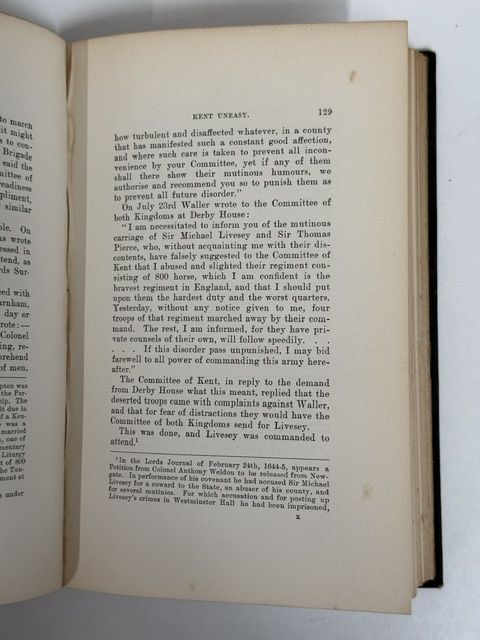
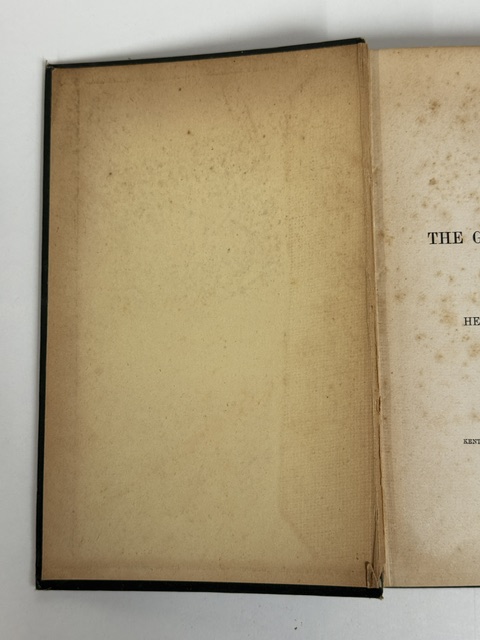
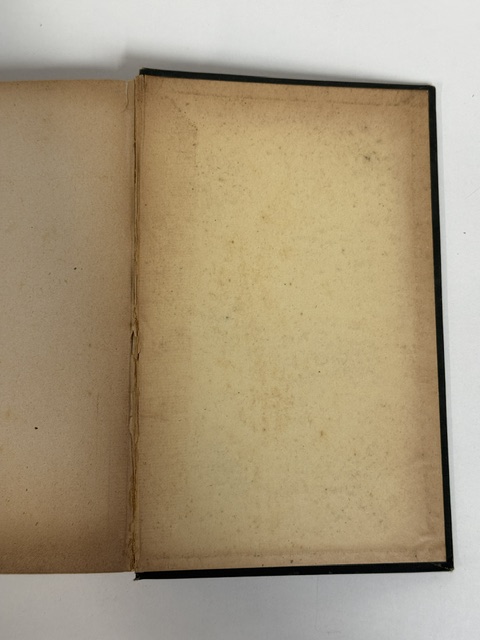

Click images to enlarge
First published in 1901, Henry Francis Abell’s Kent and the Great Civil War is an early and substantial county history examining the political and military experience of Kent during the English Civil Wars.
Abell begins with the political and religious tensions preceding the outbreak of war, before tracing the development of the conflict within Kent. The work examines the county’s shifting loyalties, local unrest, military organisation, Parliamentary and Royalist activity, and the part played by Kentish communities and individuals in the wider struggle between Crown and Parliament.
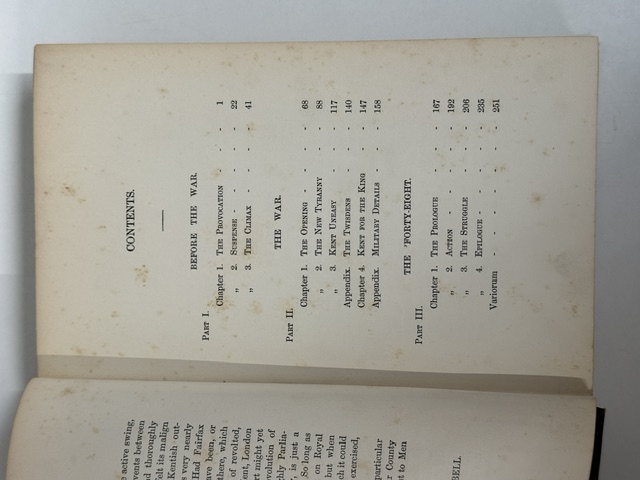
The volume is divided into three principal sections: the period before the war; the Civil War itself, including the opening stages, unrest in Kent and the county’s support for the King; and the events of 1648, when Kent became a major centre of Royalist rebellion during the Second Civil War. The final chapters examine the outbreak, fighting and consequences of that rising.
The book was influential in the development of county-based Civil War studies. Later historians have noted that Abell’s 1901 work provided an early model for examining the Civil Wars through the political and social experience of a single county.