
The Great Snafu Fleet
1st Combat Cargo/344th Airdrome/326th Troop Carrier Squadron in World War II’s CBI Theater
Series : Asia@War #69
Author : Gerald A. White, Jr.
Print Editions
Paperback
£19.95 £16.95 FREE UK delivery on orders over £30
Despatched within 1-2 working days
Details
General - Pages : 90 | Images : 71 b/w photos, 6 colour profiles, 2 colour maps, 2 b/w maps, 1 colour diagram
Paperback - Date of Publication : 23rd October 2026 | Size : 297mm x 210mm | ISBN : 9781806722136 | Helion Book Code : HEL2228
Click images to enlarge
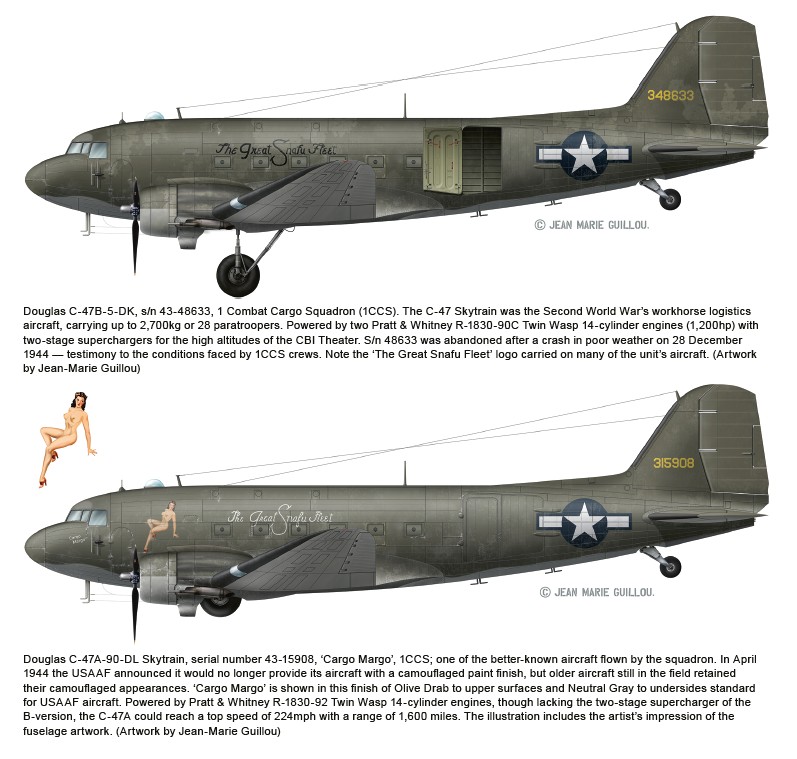
In 1944, the US Army Air Forces created a new type of organisation for a new kind of war. Combat Cargo units were intended to overcome the immense logistical problems of the China-Burma-India theatre, using air power to move troops, supplies and equipment across mountains, jungles and vast distances where roads and railways were inadequate or simply did not exist. Among them was the 1st Combat Cargo Squadron – the men who came to call themselves ‘The Great Snafu Fleet’.
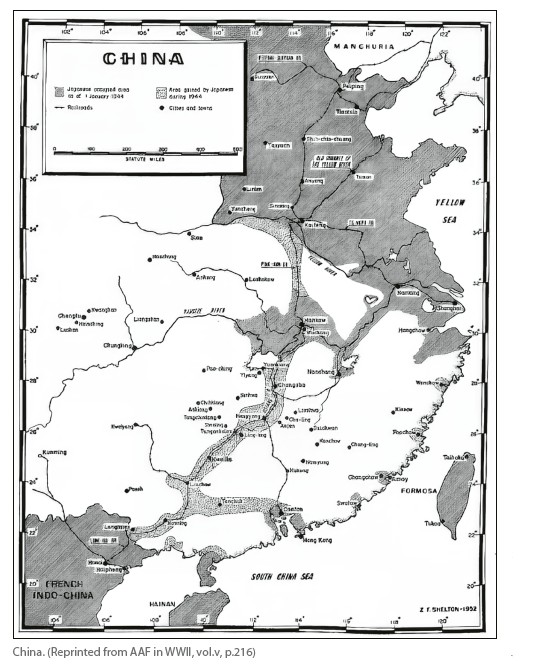
Flying the rugged and versatile Douglas C-47 Skytrain, the squadron entered operations in September 1944. Its crews carried troops and supplies, evacuated casualties, flew low-level airdrops to isolated forces in Burma and transported thousands of Chinese soldiers during the desperate response to the Japanese ICHIGO offensive. Moving permanently into China, they operated over poorly mapped mountainous terrain, through dangerous weather and with rudimentary navigational aids in completion of supply operations.
Yet The Great Snafu Fleet did more than perform conventional transport and supply duties. They flew secret missions for the Office of Strategic Services deep behind Japanese lines, delivering agents, weapons and supplies to clandestine teams and Chinese guerrillas. As the war drew to a close, its aircraft became involved in the recovery of Allied prisoners of war, missions into French Indochina, and the movement of Allied and Chinese delegations involved in accepting Japanese surrenders. Its crews were among the first Allied personnel to return to places including Hanoi and Nanking.
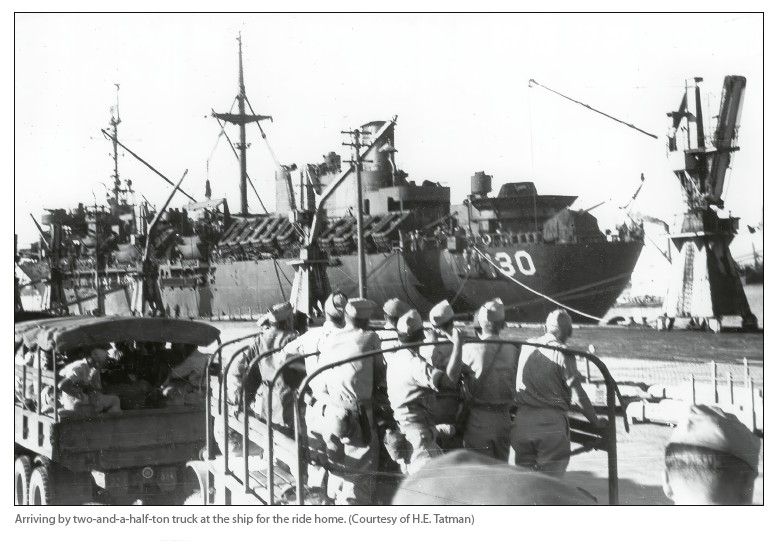
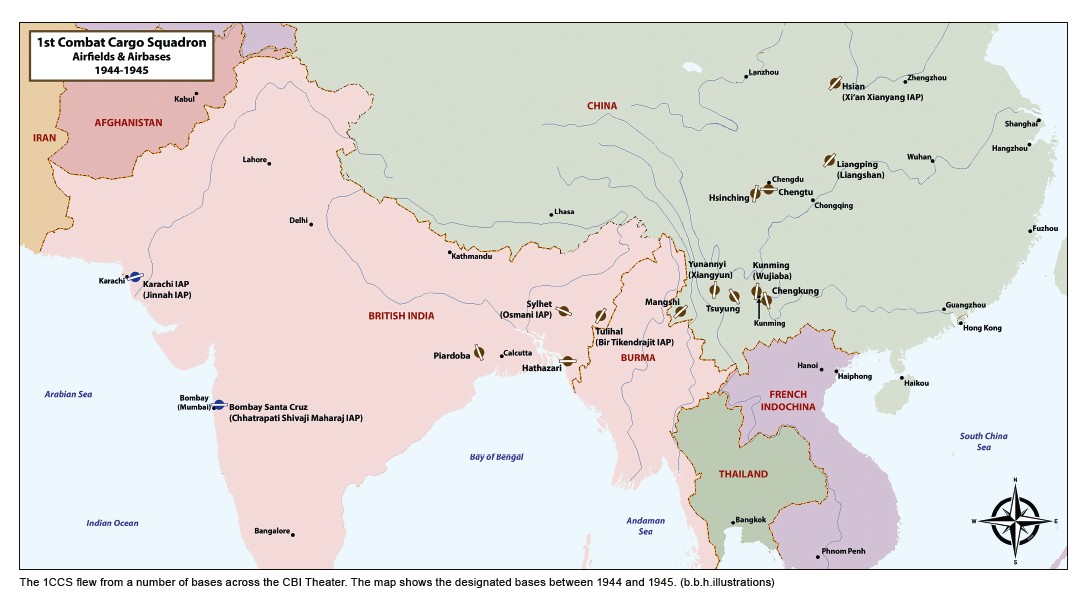
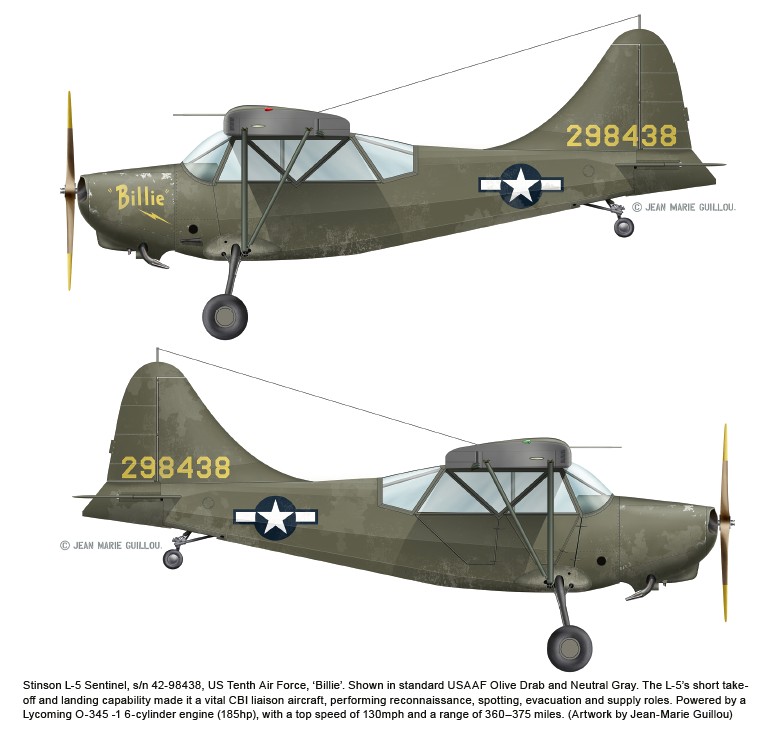
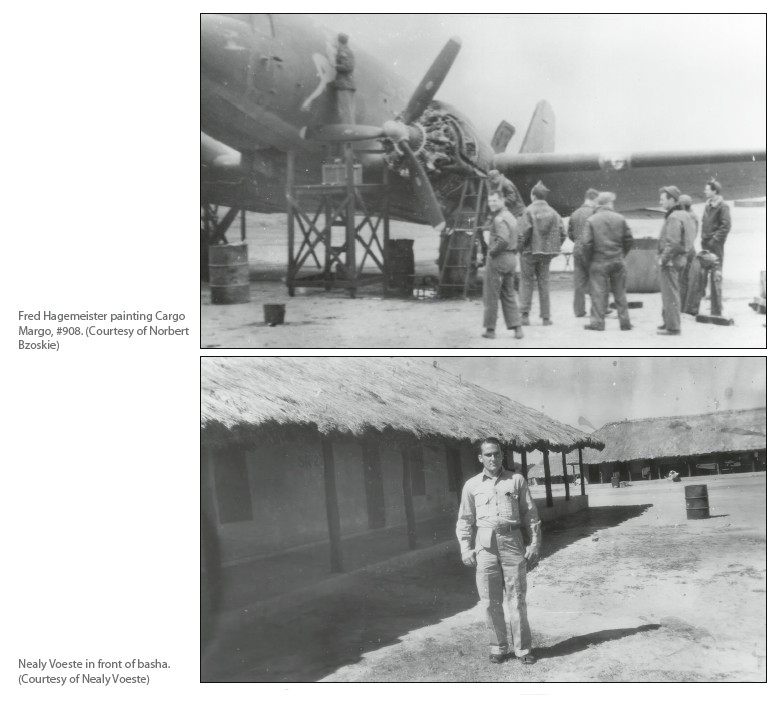
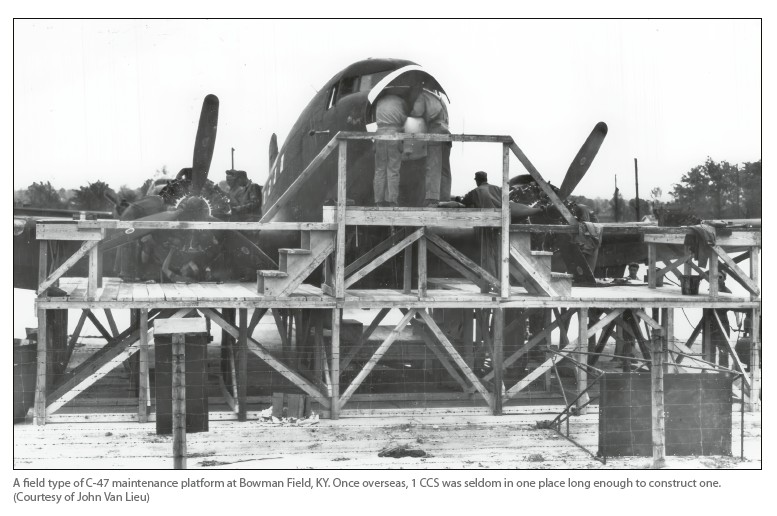
Drawing extensively upon official records, wartime diaries, correspondence, veterans’ recollections and a remarkable collection of contemporary photographs as well as specially-commissioned colour artworks and maps, Gerald A. White Jr. reconstructs the men, aircraft and missions of this little-known unit. From C-47s skimming jungle valleys to the hazardous introduction of the larger C-46 Commando, The Great Snafu Fleet reveals how improvisation, courage and relentless flying helped shape what would become modern tactical airlift. Combat Cargo existed for barely sixteen months, but the methods it pioneered endured long after the organisation itself disappeared, and the spirit of the men who served endures still.