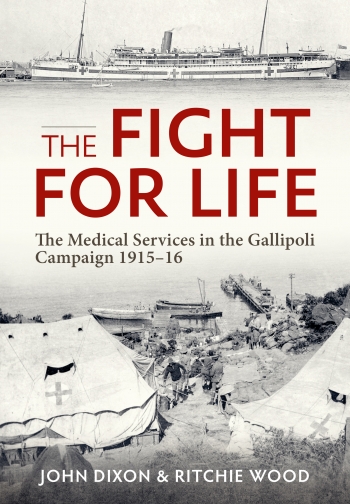
The Fight for Life
The Medical Services in the Gallipoli Campaign, 1915-16
Author : John Dixon, Ritchie Wood
Print Editions
Paperback
£29.95 FREE UK delivery on orders over £30
Despatched within 1-2 working days
Digital Editions
eBook (pdf) 8.71MB
£16.99 Available for immediate download
Details
General - Pages : 342 | Images : 34 b/w photos, 6 b/w maps, 5 b/w sketches, 2 diagrams, 4 tables
Paperback - Date of Publication : 24th January 2024 | Size : 245mm x 170mm | ISBN : 9781804513255 | Helion Book Code : HEL1707
eBook - ISBN : 9781804519196




Click images to enlarge
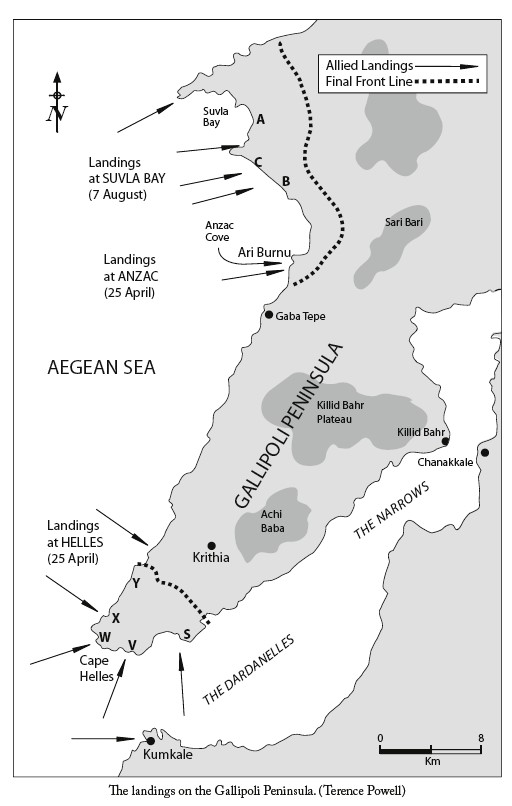
The Fight for Life: The Medical Services in the Gallipoli Campaign 1915–16 examines the development of the medical services immediately prior to the First World War and its involvement in the failed Gallipoli Campaign. Although crucial to the entire operation, the planning for their involvement was both late and insufficient. In consequence, the services received considerable criticism both during and after the campaign. The Fight for Life explores the actual steps taken in the planning and the work carried out by the medical services at each stage of the campaign.
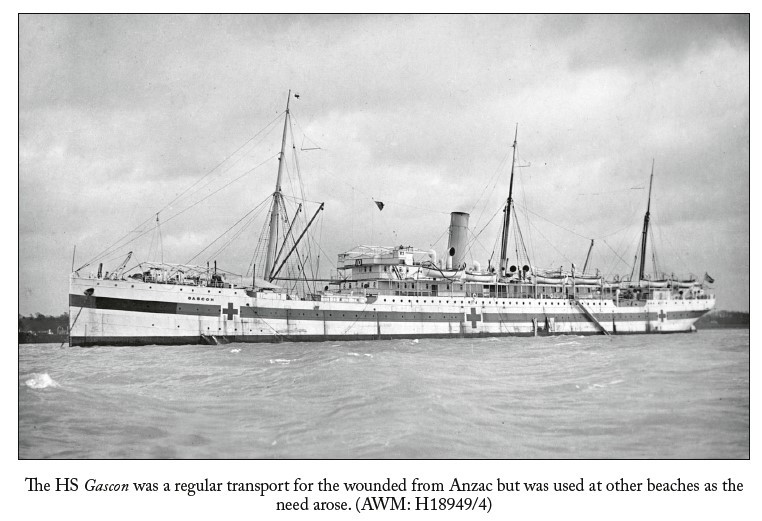
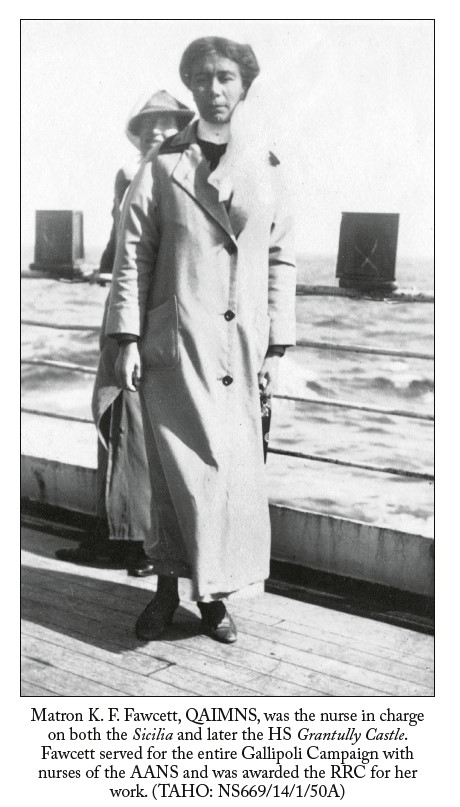
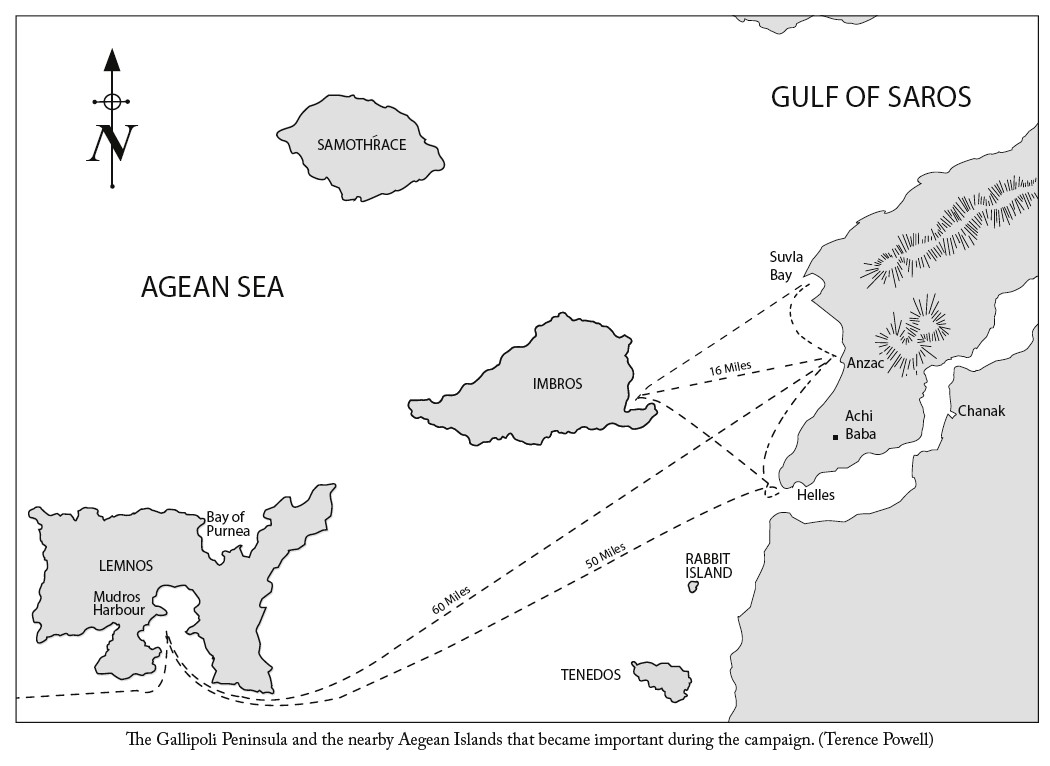
Casualties sustained at the start of the Gallipoli operations were mainly combat-related but, as operations developed, there were a large number of sick caused by diseases such as dysentery and enteric fever. Much of this was related to poor sanitation, absence of water and the ever-present plague of flies. The causes of the diseases are examined and considered in light of the overall lack of success of the initial landings which prevented the routine development of sanitation, rest camps and base hospitals. The development of base hospitals is considered in respect to the increasing casualties arriving from the battlefield and the development of institutions in Egypt and later in Malta is considered in some detail. Early planning for such hospitals underestimated casualty figures and this was also a direct result of the lack of success during the first phase of the campaign. Further to this, the employment of hospital ships is explored together with the oft- criticised use of transports or ‘Black Ships’ for the same purpose. These vessels were a vital link in the treatment of the wounded and sick of the peninsula and in many cases they were forced to act as floating casualty clearing stations as their staff treated thousands, moving some to hospitals at both Lemnos and Imbros before sailing to base hospitals in Alexandria, Cairo or indeed Malta. The importance of nursing care aboard these ships is also considered, as nurses struggled to cope under adverse conditions.
The harrowing winter 1915–16 storms are considered from the medical standpoint which added stress to a system working to cope with day-to-day casualties. The role played by the medical services in the evacuation of the peninsula is considered and the organization required for removal of casualties during the preparations cannot be overstated. Finally, a short analysis of the findings of the Dardanelles Commission as it applies to the medical services is provided.
"The authors of this book are to be commended for an exceptional piece of work. Their meticulous research from many sources, including war diaries and personal accounts, make this book an interesting and authoritative document as well as an enjoyable read....For those interested in the medical services of the Great War in general, or the Gallipoli campaign in particular, and for those who want a different viewpoint of that campaign, this book is an essential reference source." Military Historical Society, May 2024 Bulletin
“This well-written and comprehensively researched work describes in minute detail the many aspects − as well as many trials and tribulations − of the various Allied medical services during the ill-fated 1915 assault on the Turkish Gallipoli peninsula by Allied troops from Britain, France, and the original Australian and New Zealand Army Corps (ANZAC).” Over the Front