
The British Empire's Regulars 1880-1914
Soldiers of Britain, India and Africa
Series : From Musket to Maxim 1815-1914 #50
Author : Wendell Schollander
Print Editions
Hardback
£35.00 FREE UK delivery on orders over £30
Despatched within 1-2 working days
Digital Editions
eBook (pdf) 7.81MB
£18.99 Available for immediate download
Details
General - Pages : 230 | Images : 52 b/w photos, 5 b/w maps, 60 tables
Hardback - Date of Publication : 18th March 2025 | Size : 234mm x 156mm | ISBN : 9781804515624 | Helion Book Code : HEL1873
eBook - ISBN : 9781806721917






Click images to enlarge
What allowed the British to create and hold its empire? In 1914 the British had the largest empire in the world. The sun literally never set on its holdings.
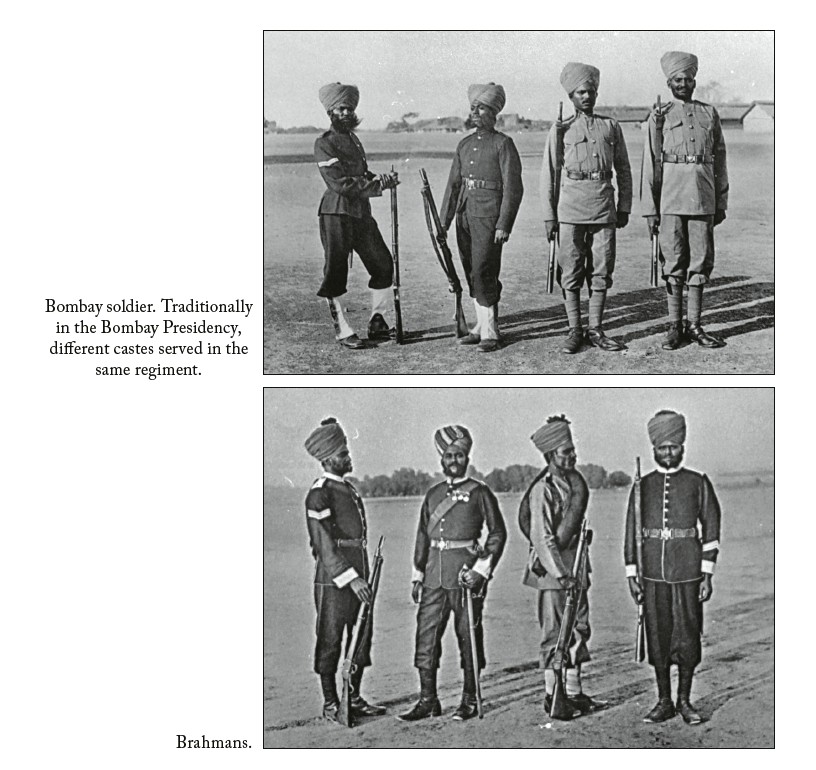
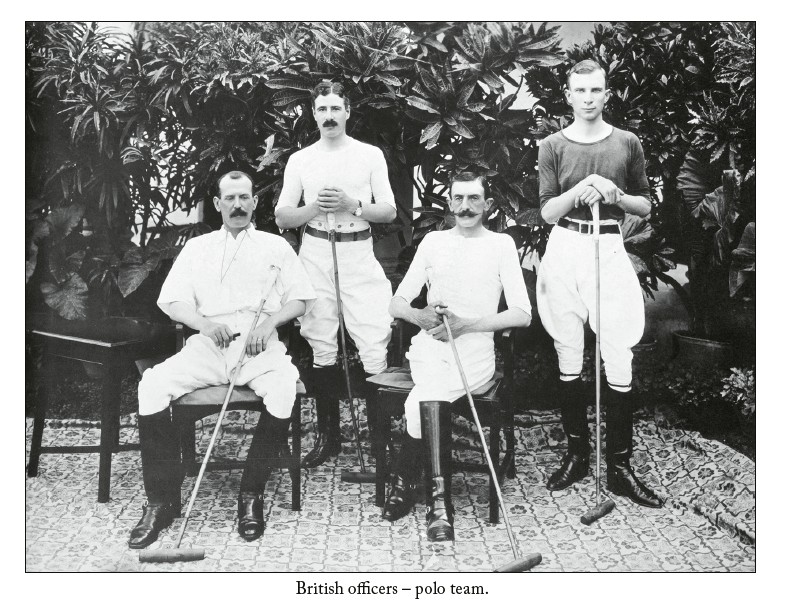
The Empire rested on three strong pillars - British economic might, a powerful fleet and its multi-race armies. The wealth provided by British industry provided the sinews of British power. The fleet protected the arteries along which British products reached the world and the UK projected its power. But its wealth and strong navy would not allow England to guard the North-West Frontier of India, or march to Peking or Ethiopia or fight foes as varied as the Sikhs, Maori and Zulus. In The British Empire’s Regulars 1880–1914 the army and men that won and held the empire are covered in detail. In most books these men are as anonymous as pawns on a chessboard. The book gives a definitive account of the many different ethnic groups that served. Sikhs, Scots, Gurkhas, Ibos and more are all here. The work explains what contribution each made to the Empire’s polyglot armies. Drawing on sociology, governmental records and history, the book will appeal to readers who are interested in the British Empire, its military forces, and to students and scholars of military sociology and history.
"The British Empire’s Regulars 1880 – 1914: The Regular Soldiers of the British Empire 1880-1914 is not a conventional military history book....This work by the author is precise and well-measured...My verdict is that this book is a meticulously crafted analysis of a historically overlooked group of individuals who maintained the British Empire's cohesion. For those interested in understanding the mechanisms behind the imperial narrative and learning about the actual contributors to the empire's establishment, this book is highly recommended. Indeed, the author’s previous books on the French and Russian fighting men over the same period are equally good and well worth reading." carryingsonupthedale blog
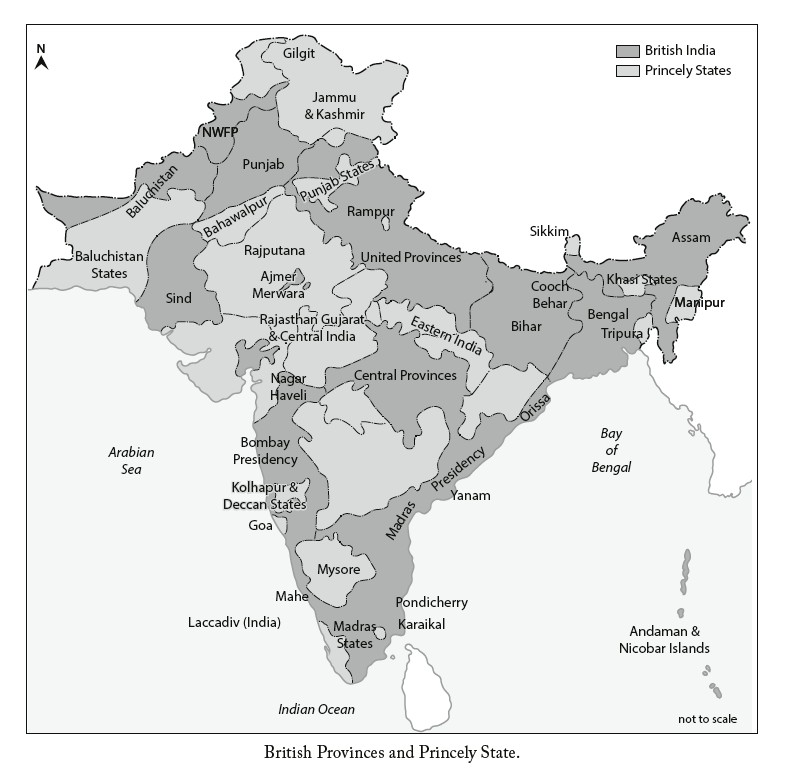
"The timeframe used by the author [1880-1914] means that there are two key questions a reader could be looking to have answered when choosing to read this book. Firstly, how did the British both defend and expand their empire in the later Victorian and Edwardian period? The second is what did the professional army which went to war against the Central powers in 1914 look like? In this relatively short book Wendell Schollander offers a succinct, synthesised answer to both questions.... as this reviewer has come to expect from this publisher, there are several useful maps, with a high production value. Similarly, the book includes some interesting and well-chosen images to accompany the text. Impressively, there are also 60 tables included. These aid the author’s analysis as statistics can be used without reams of heavy text and the reader can likewise understand the figures in a clear format." Stand To! Sept 2025, No 139