
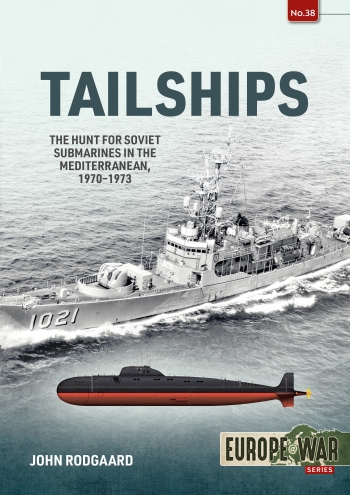
Tailships
The Hunt for Soviet Submarines in the Mediterranean, 1970-1973
Series : Europe@War #38
Author : John A. Rodgaard
Print Editions
Paperback
£19.95 FREE UK delivery on orders over £30
Despatched within 1-2 working days
Digital Editions
eBook (epub) 26.15MB
£12.99 Available for immediate download
eBook (pdf) 17.43MB
£12.99 Available for immediate download
Details
General - Pages : 84 | Images : 59 b/w photos, 6 colour profiles, 18 b/w maps, 1 colour map, 12 diagrams, 4 tables
Paperback - Date of Publication : 9th December 2023 | Size : 297mm x 210mm | ISBN : 9781914377099 | Helion Book Code : HEL1390
eBook - ISBN : 9781804515228
Click images to enlarge
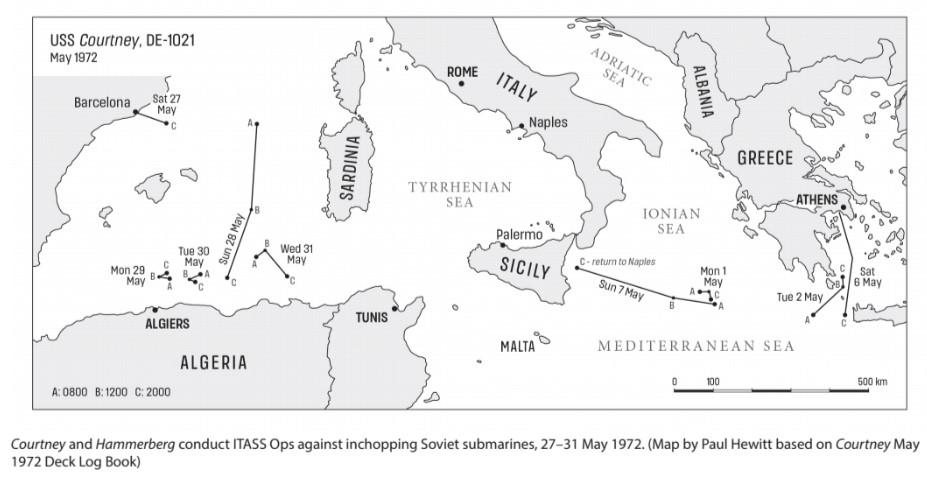
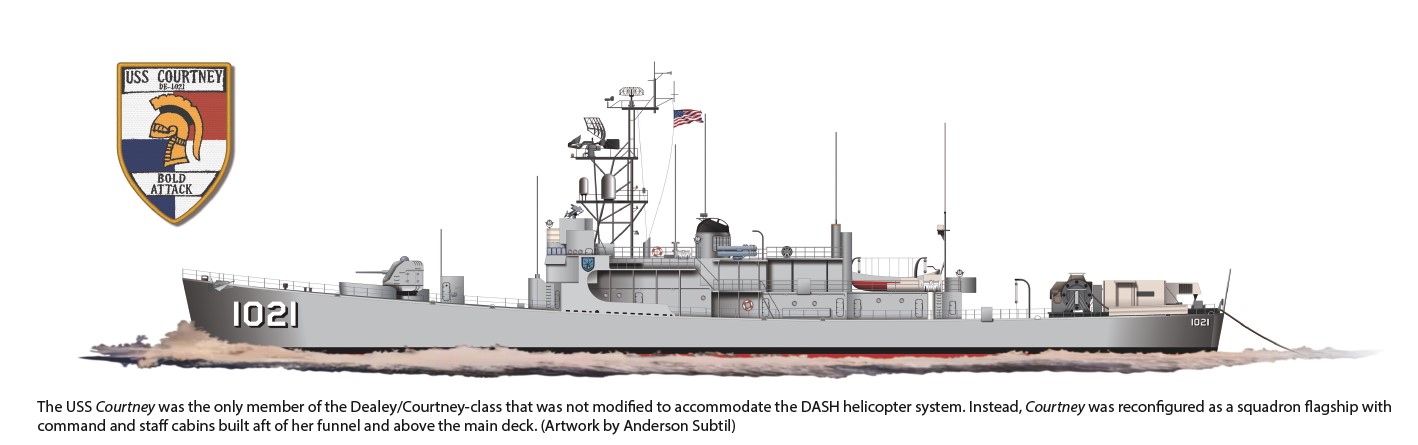
Obsolete, except for the experimental anti-submarine warfare sensor they carried, the USS Hammerberg, DE-1015, the USS Courtney, DE-1021 and the USS Lester, DE-1022 went to the Mediterranean to demonstrate the potential of a technology that relied on a passive towed array detection system; what the Navy officially designated as the Interim Towed Array Surveillance System (ITASS).
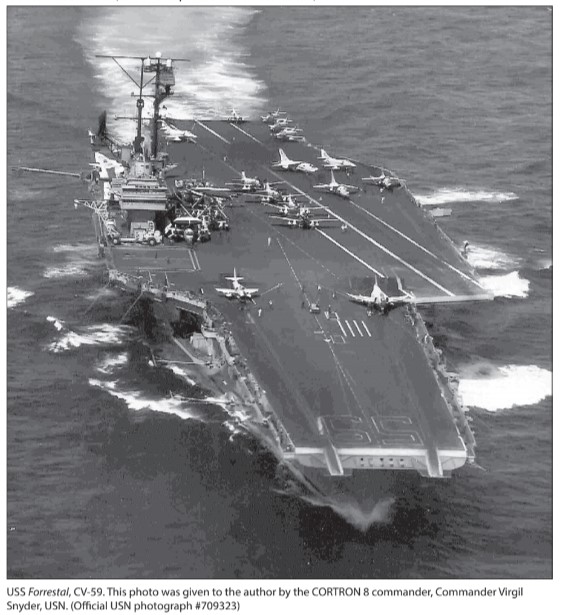
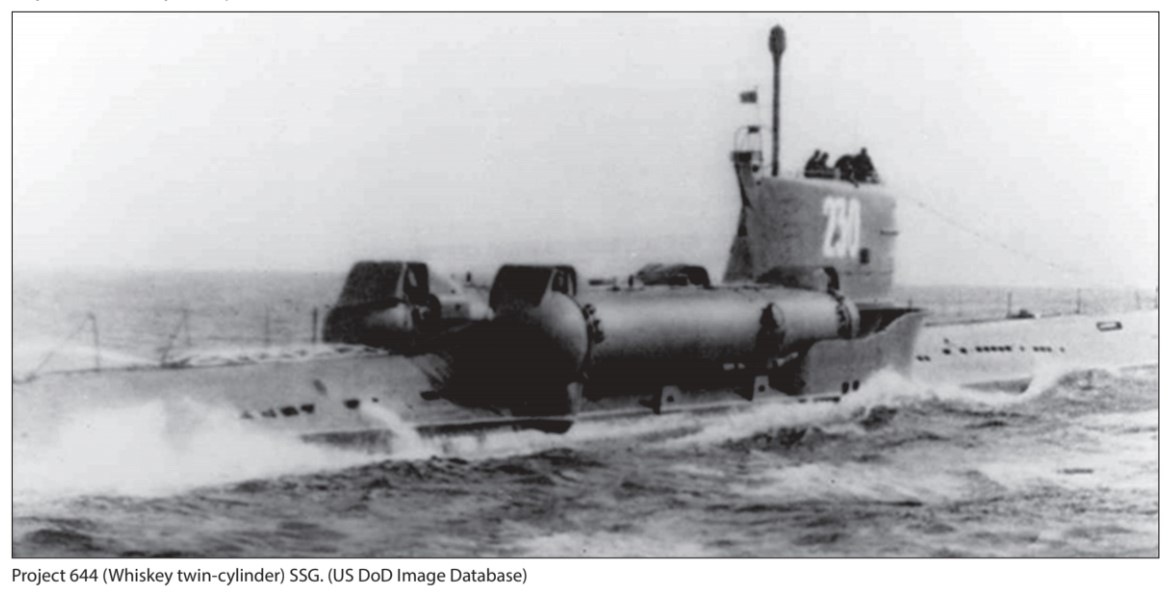
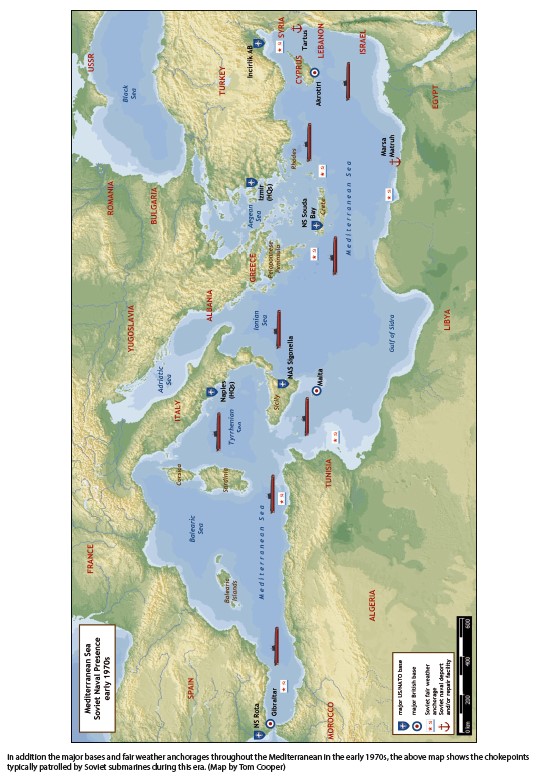
These ‘Tailships’ entered the Med in 1970. It was then that the US and NATO navies operated in a naval environment characterised by the most intense concentration of Soviet submarines and surface ships outside of Soviet home waters. The Mediterranean was the focal point in the great naval rivalry of the United States, with its NATO allies, against the Soviet Union’s Voyenno-morskoi flot (Military Maritime Fleet).
When deployed as Tailships, these DEs proved so successful against Soviet submarines that the US Navy committed additional resources to refining the capability of passive towed array sonars. The development of the Towed Array Surveillance System (TASS), the Surveillance Towed Array Sonar System (SURTASS) and the Tactical Towed Array Sonar (TACTASS) deployable systems were direct follow-ons to ITASS.
The ships’ deployment occurred during a time when the United States was torn apart by the war in Vietnam. Although far away, the effect of Vietnam on the ships’ crews as well as the Sixth Fleet reflected the greater turmoil within the society they served. The turmoil was evident in the competition for resources to keep the ships steaming and in personnel tensions among the crews.
Additionally, the ships and men operated in a sea surrounded by increasing tensions in the Middle East. While stationed in Naples, Italy, the Palestinian Black September Organisation created terror across Europe during the summer of 1972, with the massacre of the Israeli Olympic athletes in Munich, West Germany. That summer would see these sailors spending nights in Naples standing anti-terrorist watches with loaded weapons, whilst the pinging of an active sonar system would echo throughout the hulls of the moored ships. It was thought this would discourage swimmers wanting to plant explosive devices on ship hulls.
The objective of this book is simply to tell the story of these three ships and their men within the context of the greater events of the Cold War at sea in the Mediterranean; the successes and failures of operating in the Mediterranean, and life for those who called Naples their temporary home.
‘An evocative account of U.S. naval operations in the Mediterranean during the Cold War.’ Professor John B. Hattendorf, Author of Reflections on Naval History (2023)
‘I have enjoyed reading 'Tailships'. It brought back fine memories of when I served in the Dealeys, but more importantly, how they were used, late in their lives to bring about a new chapter in ASW during the early 1970s. [John Rodgaard has] nicely set the context of the Cold War at Sea and bring the reader to a new understanding about the Mediterranean Sea, really a sea of many seas, both horizontally and vertically, in a three-dimensional way.’ Dr. William ‘Bill’ Dudley, Former Director of the US Navy’s Historical Center
"...I really enjoyed this book as I was not familiar with this subject previously. It is an easy read and I devoured it over two days. I really enjoyed John Rodgaard's inclusion of his personal perspective along with the other first person accounts.I found Paul Hewitt’s maps fascinating as they added to the detail of ITASS operations covered by John Rodgaard. If you own one of the previous releases in the Europe @ War series, you know what you are getting. If this is your initial entry into this series, you will be quite pleased." IPMS USA
"....Both from the analytic description of the scientific background to that of the author’s firsthand human experience, to the historical development of the technology, to the political and strategic context of the time, this book contains a LOT – including an extremely important collection of sources referenced in its notes and bibliography....Lots of wonderful photos and maps. And for anyone with a genuine interest in the areas of ASW, sonar, and Cold War naval history, it will richly repay careful reading, and indeed, much serious study." National Maritime Historical Society
"...The book has many data tables and charts and is handsomely illustrated with many photographs and some full colour pictures. It is well recommended." The Naval Review
"...This is not a story I knew anything about before, but the battle against the large Soviet submarine fleet of the Cold War is a fascination to many, me included. While so many old films bring to mind the noise of the active pinging of sonar in detecting enemy submarines, this passive system added so much to the intelligence picture for commanders. Add plenty of archive images to the text and the artwork this is a really interesting read." Robin Buckland, Military Model Scene
“The author is a fine researcher and writer… This book is highly recommended for military and naval students, Cold War enthusiasts, and naval and maritime professionals.” Sea History Magazine
“Tailships is a book mainly of interest to those with an interest in Cold War naval history and the history of technology. There are no stirring naval battles, but for those interested in naval technology, especially that of the 1960s and 1970s, this is a must-read book. The details of how passive sonar systems work and are deployed will fascinate those interested in such things.” Nautical Research Journal