
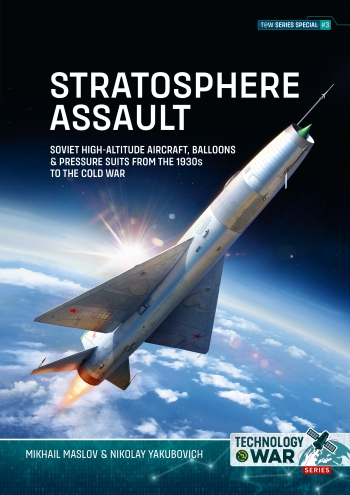
Stratosphere Assault
Soviet High-Altitude Aircraft, Balloons & Pressure Suits from the 1930s to the Cold War
Series : Technology@War Series Special #3
Author : Mikhail Maslov, Nikolay Yakubovich
Print Editions
Paperback
£25.00 £20.00 FREE UK delivery on orders over £30
Despatched within 1-2 working days
Details
General - Pages : 110 | Images : 160 b/w photos, 3 colour photos, 40 colour photos, 15 colour profiles, 25 diagrams, 15 tables
Paperback - Date of Publication : 20th October 2026 | Size : 297mm x 210mm | ISBN : 9781806720552 | Helion Book Code : HEL2201
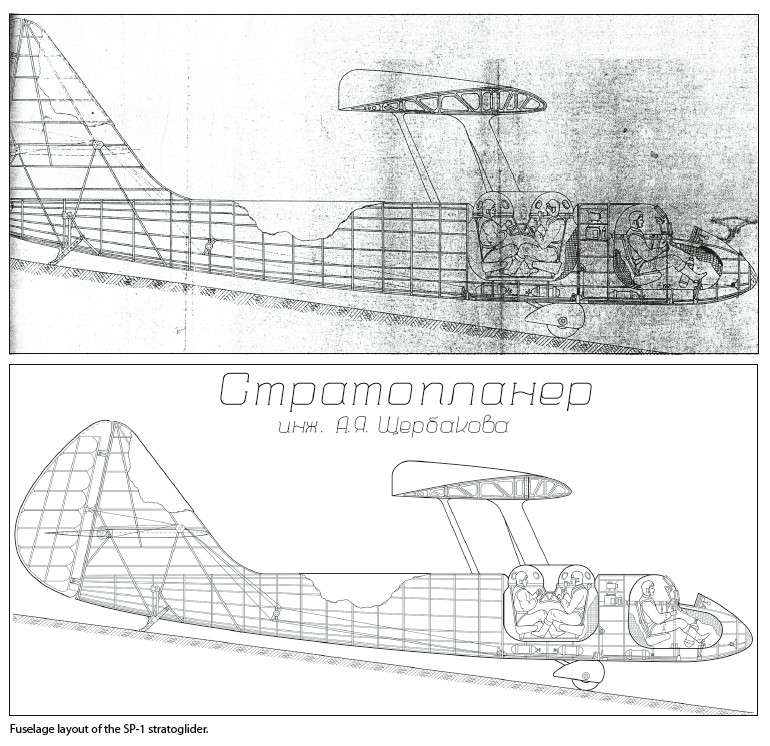
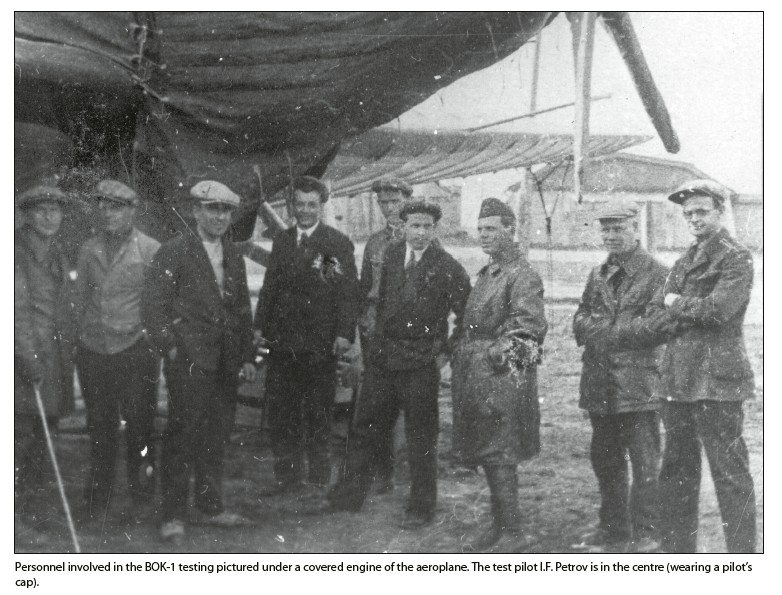
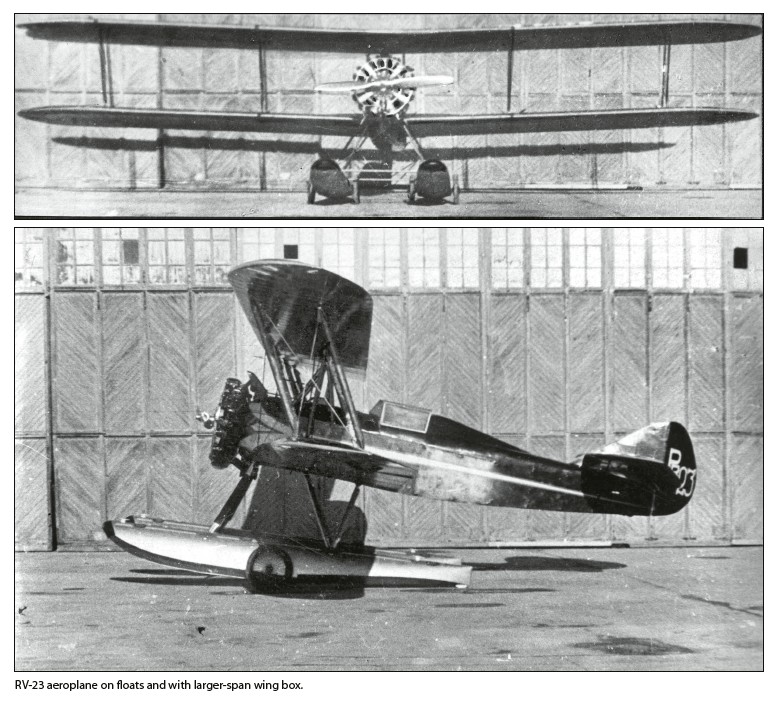
Click images to enlarge
From the earliest attempts to penetrate the stratosphere in the 1930s to the development of aircraft capable of operating on the threshold of space, the Soviet Union pursued high-altitude flight with extraordinary determination. What began as a race for prestige and world records rapidly became a demanding programme of scientific research, technological innovation and military competition.
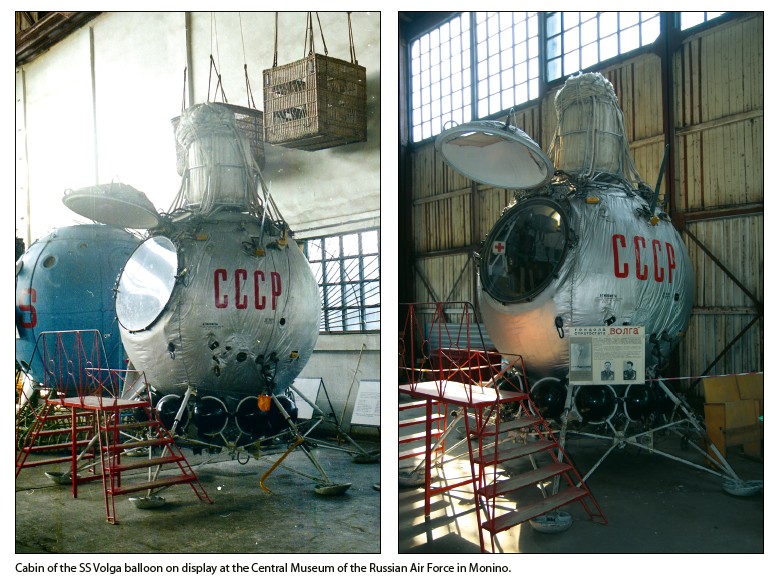
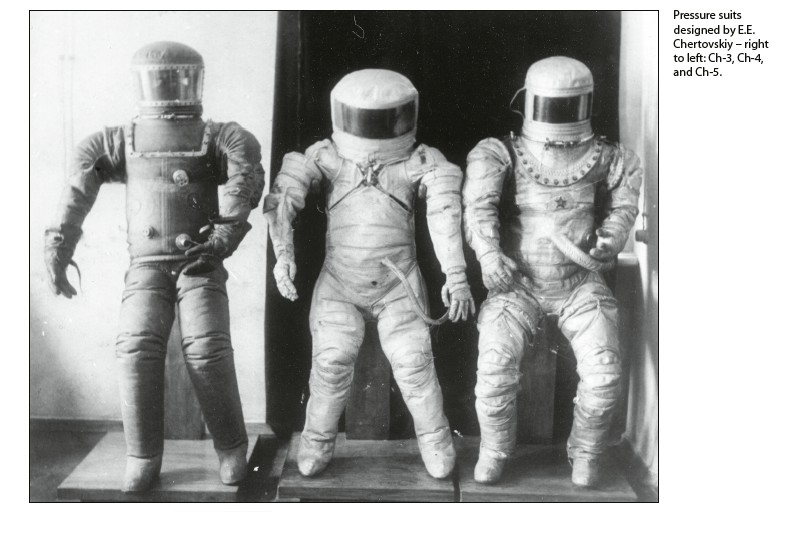
Early Soviet engineers faced problems that had scarcely been encountered before. Aircraft had to function in rarefied air and extreme cold, while their crews required pressurised cabins, oxygen systems and, eventually, specialised pressure suits simply to survive. Experimental aircraft such as the RV-23 and the remarkable BOK series explored the limits of piston-engined flight, while Soviet stratosphere balloons pushed still higher, sometimes at terrible cost. Their successes and failures provided experience that would shape generations of high-altitude aircraft.
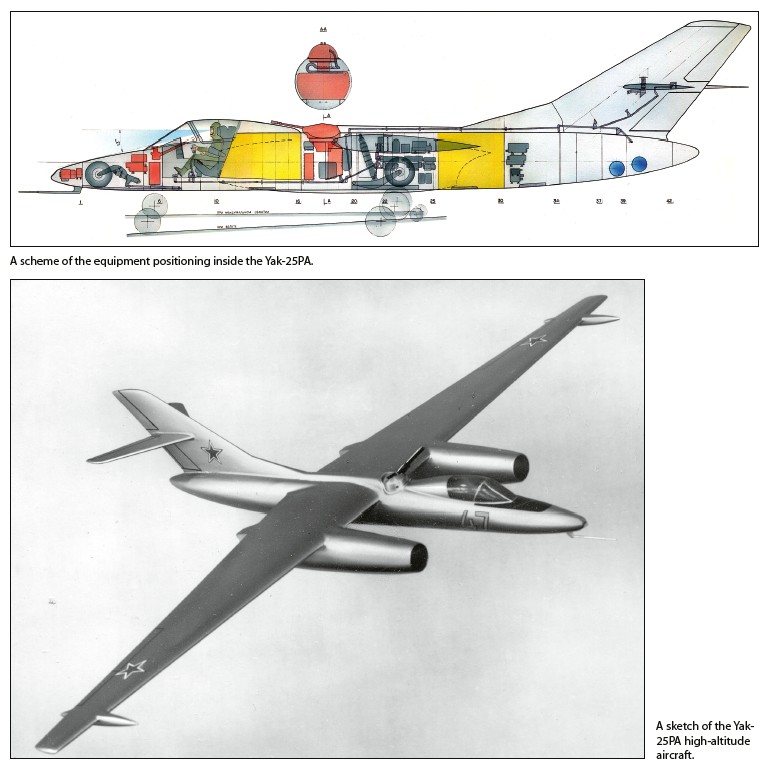
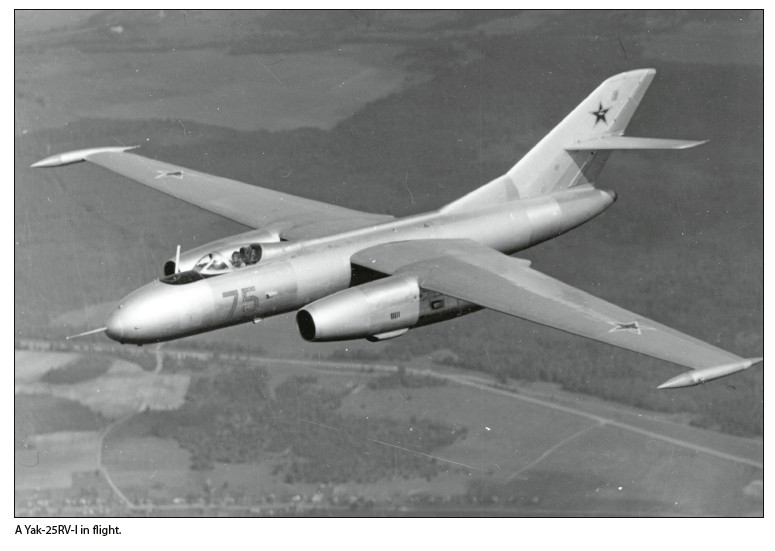
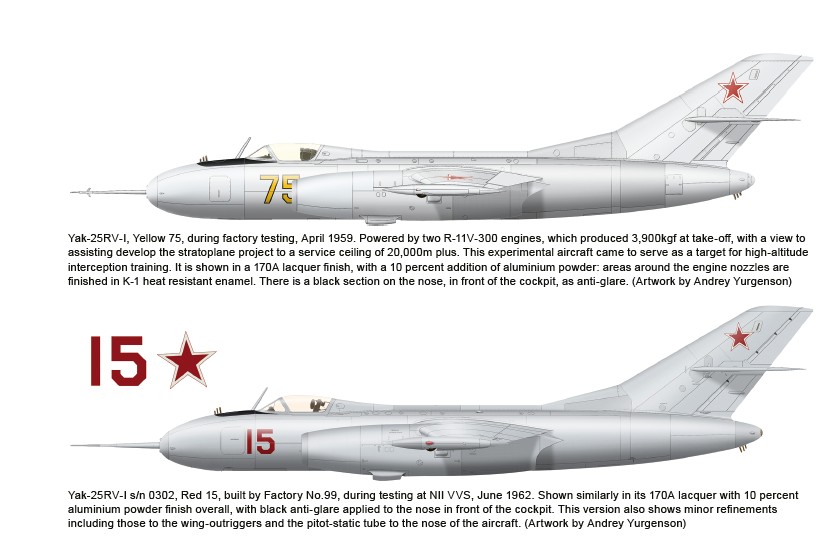
The Cold War brought an entirely new urgency. The appearance of American reconnaissance aircraft and high-altitude drifting balloons forced Soviet designers to seek machines capable of reaching and defeating targets operating far above conventional combat altitudes. The Yak-25RV, the projected Soviet copy of the Lockheed U-2 known as the S-13, and Myasishchev’s extraordinary M-17 Stratosphera all emerged from this technological struggle. The latter would eventually evolve into the M-55 Geophysica, transformed from a specialised interceptor into a sophisticated scientific research aircraft.
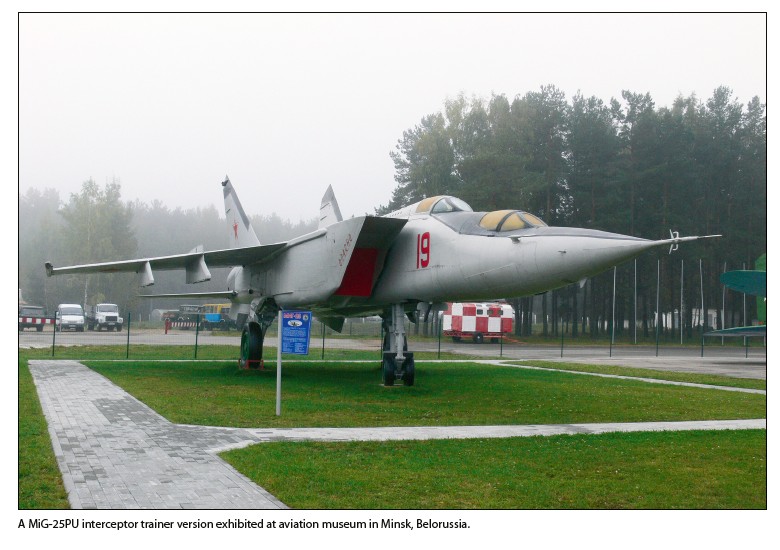
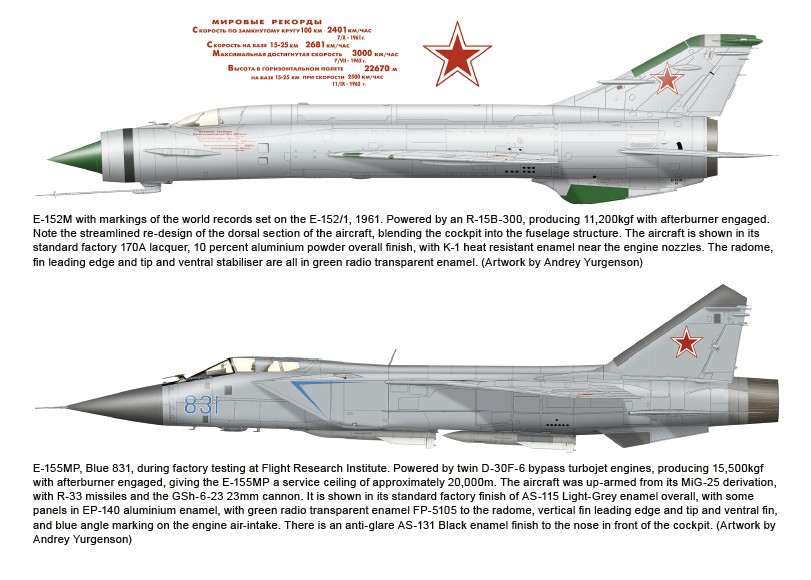
At the same time, Soviet engineers pursued ever faster and higher-flying interceptors. Rocket-assisted experimental types such as the Yak-27V, SM-50 and E-50 led towards the Su-9 and a succession of Mikoyan prototypes, culminating in the E-155 family, the MiG-25 and ultimately the MiG-31. These aircraft combined extreme speed, altitude and increasingly sophisticated interception systems, while also establishing a remarkable series of world records.
Drawing extensively on Russian archival material, contemporary technical documentation and a remarkable collection of photographs, Stratosphere Assault traces this little-known technological journey from fragile experimental aircraft and pressure suits to Mach 3 interceptors and near-space operations. Richly illustrated with photographs, scale drawings and specially commissioned colour artwork, it offers a detailed examination of the aircraft, people and technologies behind the Soviet Union’s long campaign to conquer the upper atmosphere.