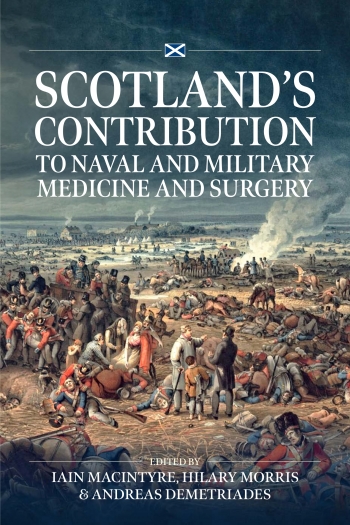
Scotlands contribution to Naval and Military Medicine and Surgery
Editor : Iain Macintyre, Hilary Morris, Andreas Demetriades
Print Editions
Paperback - Clearance
£29.95 £20.96 FREE UK delivery on orders over £30
Despatched within 1-2 working days
Details
General - Pages : 184 | Images : 15 b/w illustrations, 14 b/w photos, 25 colour illustrations, 4 colour photos, 4 b/w maps, 1 colour map, 2 tables
Paperback - Date of Publication : 25th October 2024 | Size : 234mm x 156mm | ISBN : 9781804516263 | Helion Book Code : HEL1916
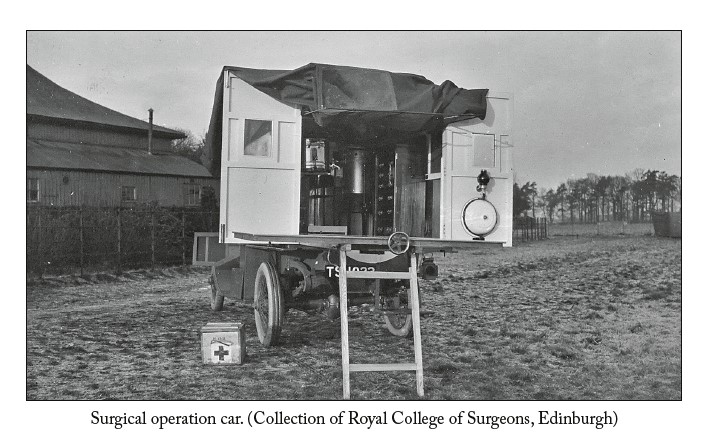
Click images to enlarge
From the early 18th century Scotland produced large numbers of medical graduates, many of whom joined the armed forces. This book outlines the contributions which these doctors made to military and naval medicine from the 18th century to WWI. Each of the 12 chapters is based on a presentation made to an online symposium held by the Scottish Society of the History of Medicine in association with the History Society of the Royal Society of Medicine. The authors are experts in their respective fields.
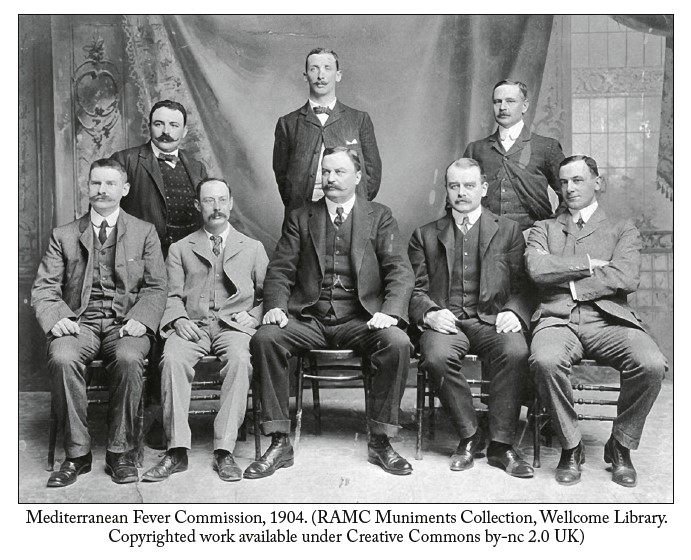
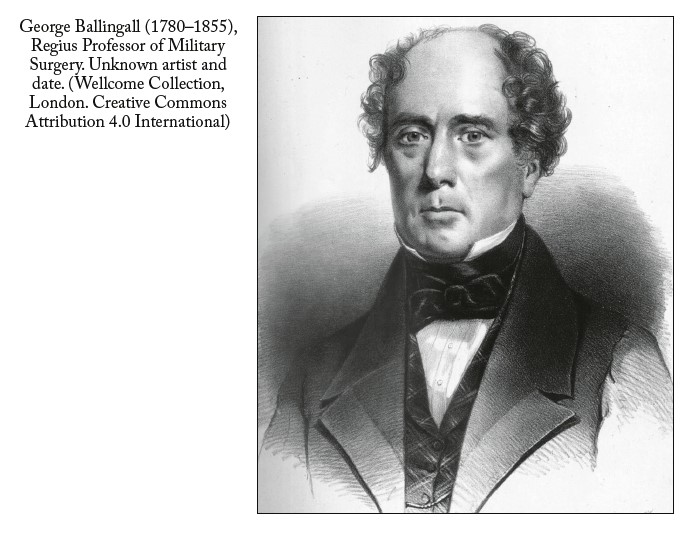
Scotland’s Contribution gives new insights into established leaders in this developing speciality including Sir John Pringle and Sir James McGrigor, while Sir Charles Bell’s legacy to military surgery, his artwork, is given a fresh analysis. Other chapters outline the remarkable saga of Dr James Barry, the first trans man to qualify in medicine in Britain and the painstaking detective work of Sir David Bruce in discovering the cause of brucellosis. One of the chapters on WWI describes the work of Gray, Fraser and Wade while the other is an account of a Scottish Women’s Hospital unit in Salonika. There are also accounts of less well-known figures.
Scotland’s Contribution will appeal to all those with an interest in the history of military medicine and surgery, and in the history of medicine in Scotland.
Contributors to the book are:
Tom Scotland was an orthopaedic surgeon in Aberdeen, who has developed his longstanding interest in the First World War and the resulting surgical developments. He writes and lectures on the subject and has extended his interest in medical military history to Napoleonic times with a biography of Sir James McGrigor. He is a member of the Aberdeen Medico-Chirurgical Society, jointly founded by McGrigor.
Peter Starling is a retired RAMC officer who was Curator and then Director of the Army Medical Services Museum (now Museum of Military Medicine) and is now its Honorary President. He lectures on the history of the Army Medical Services and guides battlefield tours in the Far East, Europe and Gallipoli.. He holds a MA at the University of Birmingham, a Diploma in the History of Medicine and is a Fellow of the Royal Historical Society.
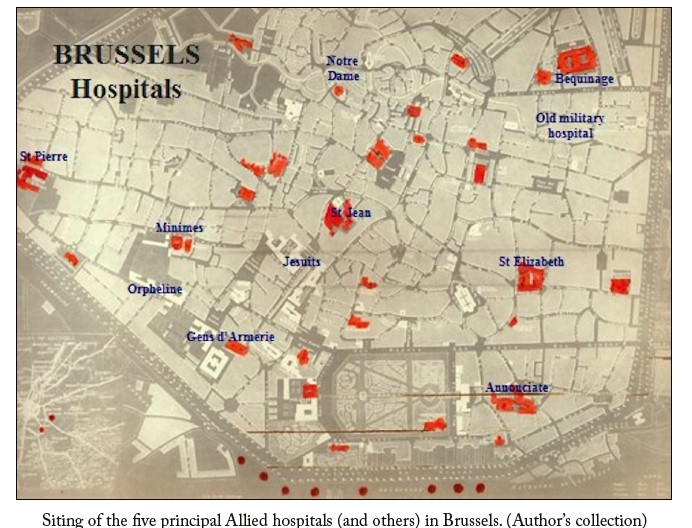
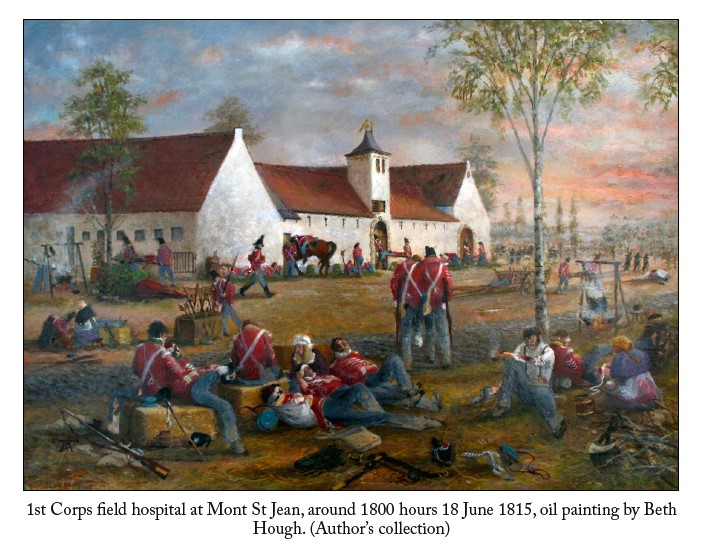
Michael Crumplin is a retired consultant surgeon, whose prime interest in military conflict is the human aspect of war. He is honorary Curator at the Royal College of Surgeons of England. He has written four books which focus on medicine and surgery, in both the Army and Royal Navy during the French wars (1792-1815). He has also written and lectured widely. He was education lead for Waterloo200 and has donated his medical collection and set up a unique museum of surgery in the farm used as the principal field hospital during the Battle of Waterloo at Mont St Jean.
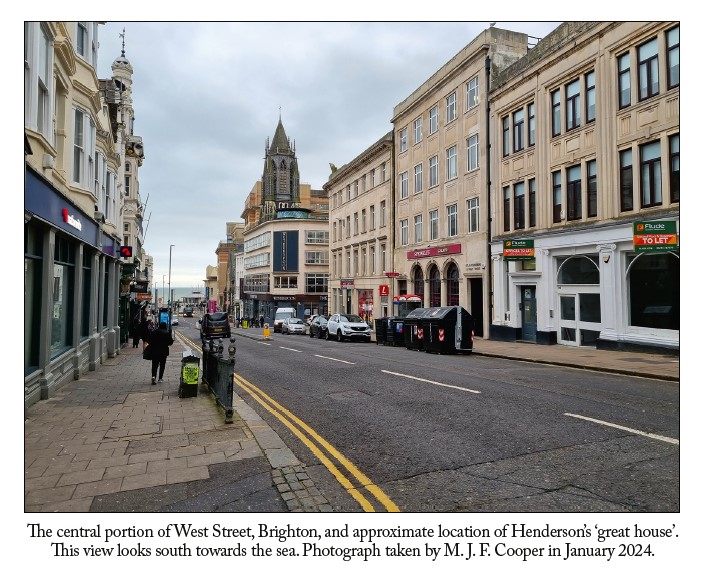
Max Cooper is Senior Lecturer in General Practice, at the Brighton and Sussex Medical School. He was a GP in Glasgow and a a GP academic fellow at Glasgow University where he completed his PhD on primary care for asylum seekers. His research interests include the history of medicine, in particular local medical biography from the time of the Napoleonic wars.
David Vassallo began his medical education in Malta and completed this at the University of Cambridge, going on to become FRCSEd. He served 35 years with HM Forces in the Royal Army Medical Corps, mainly as consultant general surgeon, retiring in the rank of Colonel. His final post was Military Medical Historian at the Former Army Staff College, during which time he began historical research into the Army Medical Services and took an MA (History of Warfare) at King’s College London. He has published four books and several chapters and articles on military medical history topics. He is currently Chairman of Friends of Millbank.
Peter Brinsden qualified in medicine and joined the Royal Navy. After gaining the FRCOG he qualified as a Consultant Gynaecologist retiring in the rank of Surgeon Commander. He was appointed Medical Director of Bourn Hall Clinic, the world’s first IVF Clinic He has four honorary or visiting Professorships from Universities in China, has edited A Textbook of in vitro Fertilization and Assisted Reproduction, published more than 150 peer-reviewed articles and book chapters. He was President of the British Fertility Society, Vice-Chairman of the Nelson Society and is a Fellow of the Royal Geographical Society (FRGS).
Carol Parry was Library and Heritage Manager at the Royal College of Physicians and Surgeons of Glasgow. She has researched and published on the Scottish Women’s Hospitals in the First World War and is currently researching the history of the Girton and Newnham Unit of the SWH. Carol is Honorary Librarian at the Trades House of Glasgow and Editor of Scottish Archives, the journal of the Scottish Records Association. She blogs extensively on the history of medicine and surgery in Scotland and her blogs can be seen here: https://heritageblog.rcpsg.ac.uk/author/carol-parry/
Cat Irving is Human Remains Conservator at Surgeons’ Hall Museums, Edinburgh. She has been caring for anatomical and pathological museum collections for over twenty years. At the Royal College of Surgeons of England she worked with the preparations of William Hunter and then at the Hunterian Museum at Glasgow University. She is a licensed anatomist, and has recently conserved the skeletal remains of the notorious nineteenth century serial killer William Burke. She talks on anatomy and medical history in the UK and abroad. She regularly posts on social media about aspects of medical history in her speciality.