
Birth of the Byzantine Army 476-641 CE Volume 1
Still Late Roman?
Series : A Time of Knights #3
Author : Philippe Richardot

Print Editions
Paperback
£29.95 FREE UK delivery on orders over £30
Despatched within 6-9 working days
Digital Editions
eBook (pdf) 11.6MB
£16.99 Available for immediate download
Bundles
This book is also available as part of the following bundles
Details
General - Pages : 300 | Images : 17 b/w illustrations, 6 b/w photos, 8 colour illustrations, 5 b/w maps, 11 tables
Paperback - Date of Publication : 24th October 2025 | Size : 248mm x 180mm | ISBN : 9781804518281 | Helion Book Code : HEL2040
eBook - ISBN : 9781806724529

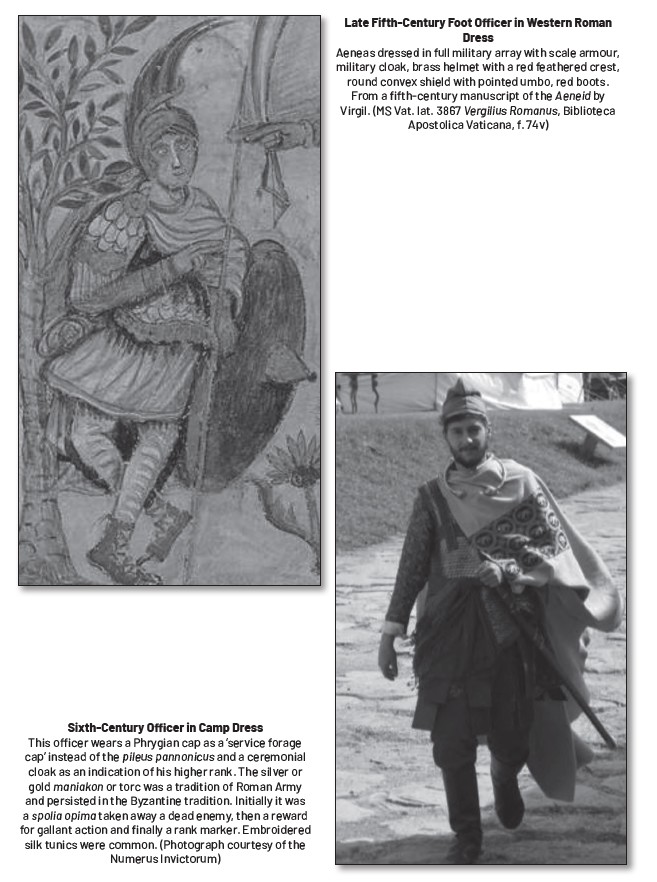
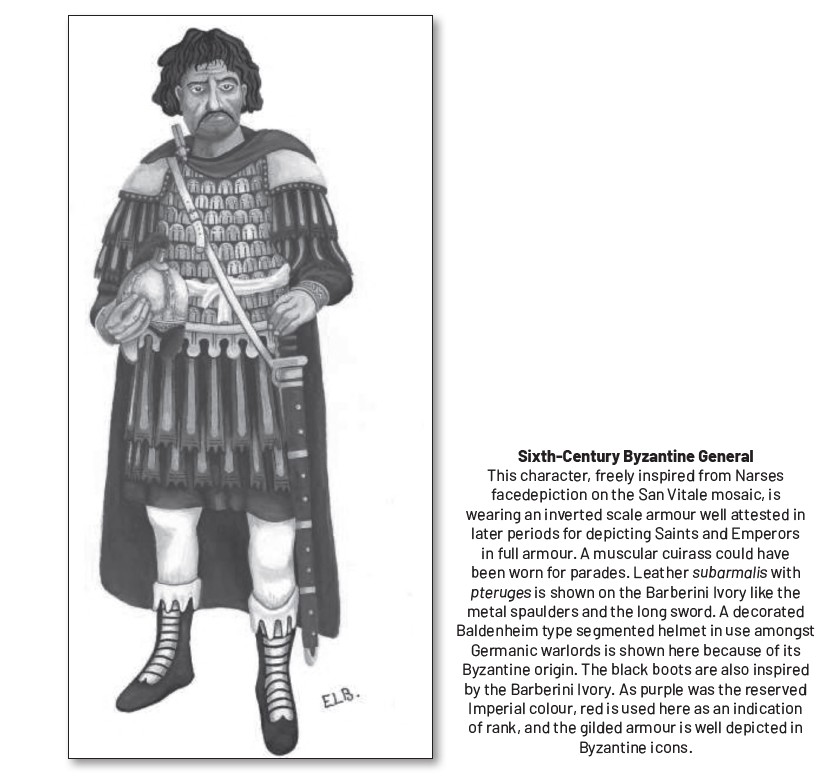
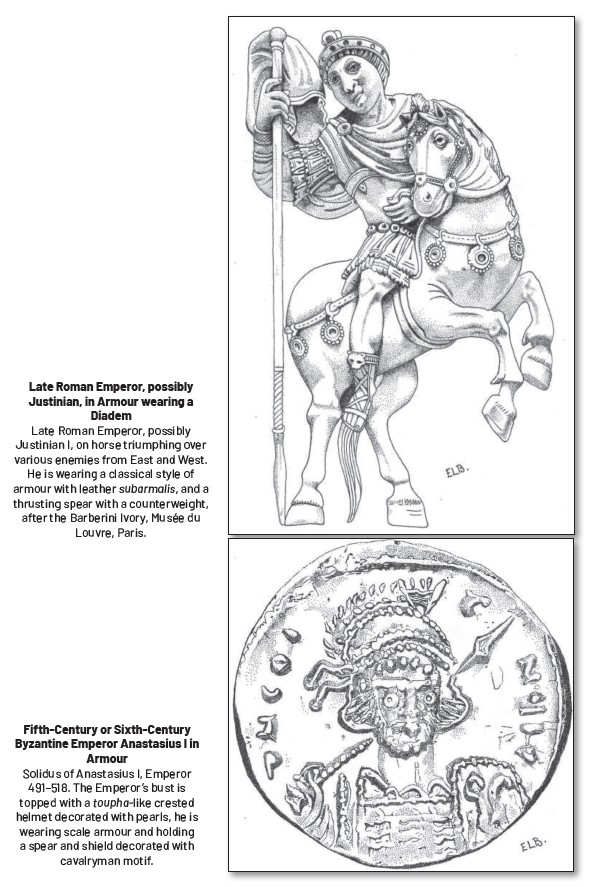
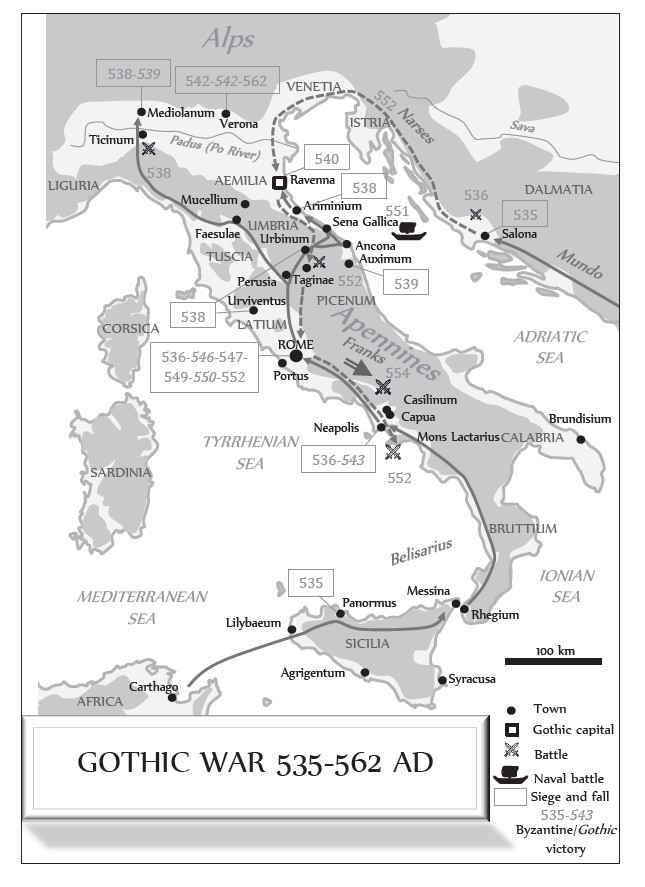
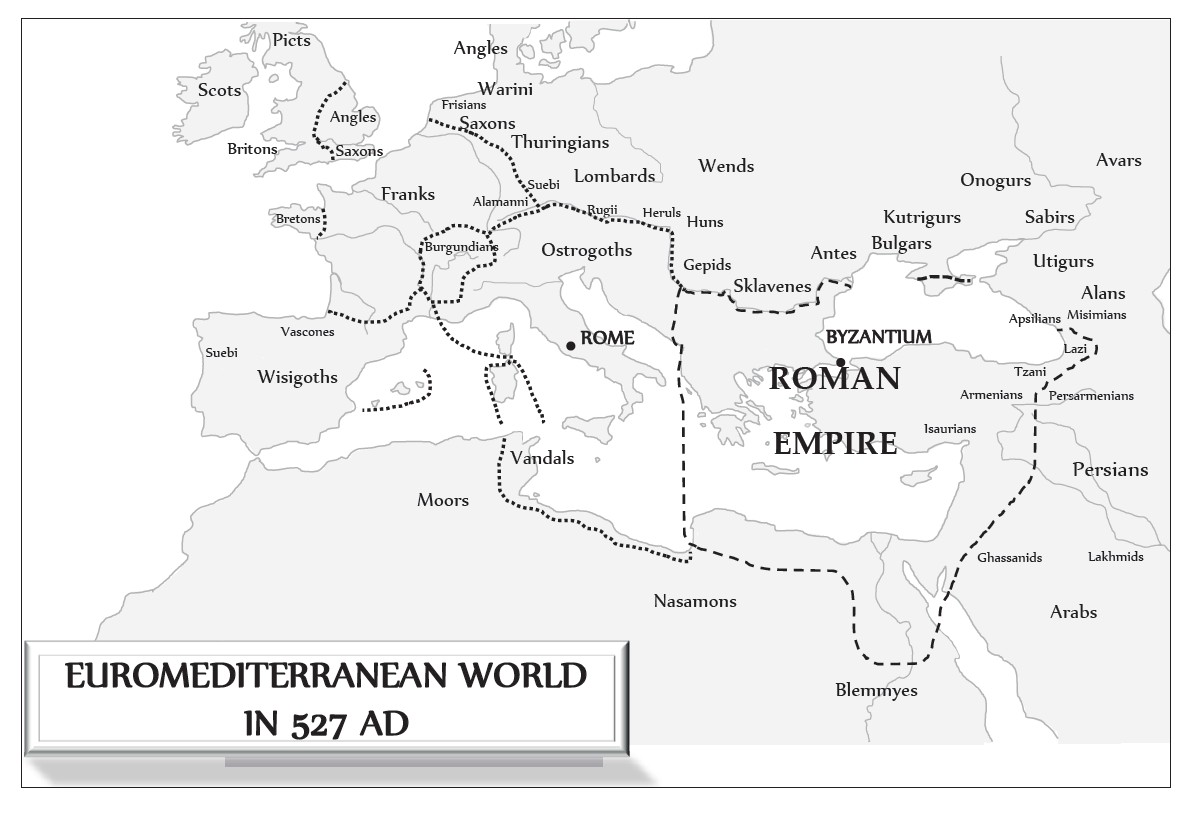
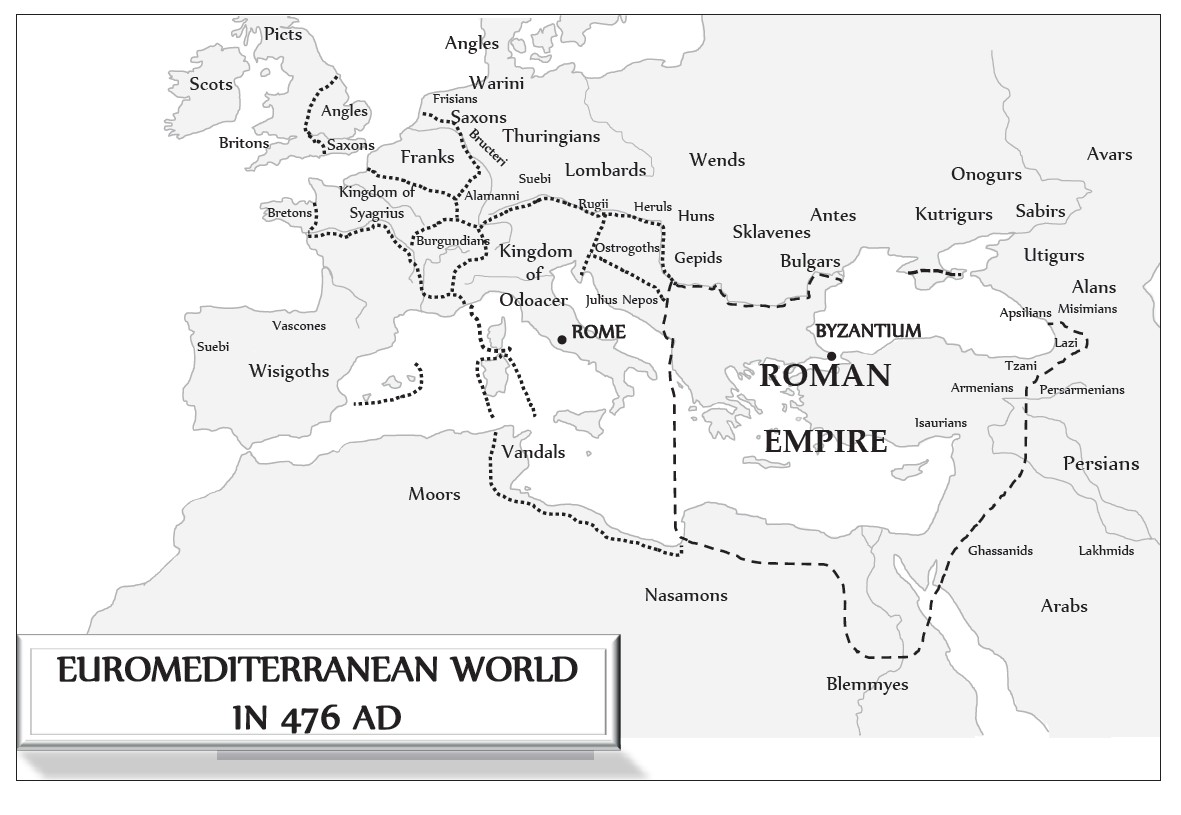


Click images to enlarge
Birth of the Byzantine Army challenges the long-standing historiographical tendency to focus exclusively on the Romano-Byzantine army during Justinian’s reign (527–565 CE), overlooking the Eastern emperors who preceded him after the fall of the Western Empire in 476. This study extends the scope to the end of Heraclius’ reign in 641—the last soldier-emperor of the Late Roman tradition. By then, the Slavs had overrun the Latin-speaking lands of the Balkans, while Muslim forces had taken Syria and Egypt. These new powers ushered in a transformed geopolitical order, depriving the imperial army of vital resources. Constantinople had by then become unmistakably Byzantine, and the Late Roman military system could no longer be sustained.
Over these 165 years, the Romano-Byzantine army inevitably evolved. In addition to traditional adversaries such as the Persians and steppe nomads, it confronted fresh challenges: campaigns in North Africa and wars against the Vandals and Ostrogoths. Once those territories were conquered, the army was forced to defend them against the Moors in Africa and the Lombards in Italy. Along the Danube frontier, it also faced the Slavs and Avars, whose siege warfare threatened Byzantium itself. These pressures demanded new organization and tactics. Should we still call it a Late Roman army—or was it already a new, distinctly Byzantine one? That is the central question.
".....Birth of the Byzantine Army, 476–641 CE serves as an effective introduction to a transitional era often overlooked between the ‘Late Roman’ and ‘Byzantine’ periods. The work succeeds in providing a concise, digestible overview of the army’s transformation, making it a valuable addition to Byzantine military studies." Carryingsonupthedale.com Blog