
A Very Peculiar Battle
The Double Battle of Fere-Champenoise, 25 March 1814
Series : From Reason to Revolution 1721-1815 #129
Author : David Wright

Print Editions
Paperback
£29.95 FREE UK delivery on orders over £30
Despatched within 1-2 working days
Digital Editions
eBook (pdf) 13.68MB
£16.99 Available for immediate download
Details
General - Pages : 226 | Images : 9 b/w illustrations, 20 colour illustrations, 10 colour photos, 1 colour map, 33 b/w maps, 11 tables
Paperback - Date of Publication : 21st February 2024 | Size : 248mm x 180mm | ISBN : 9781804514375 | Helion Book Code : HEL1795
eBook - ISBN : 9781806721795

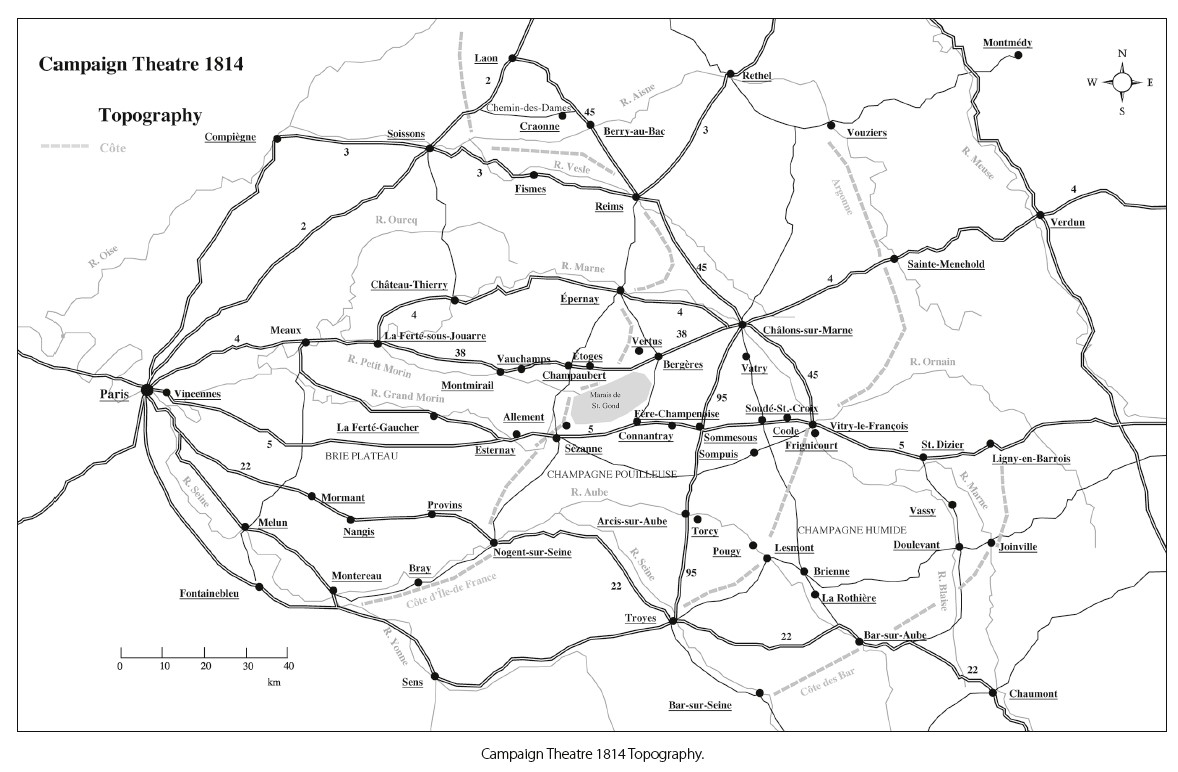
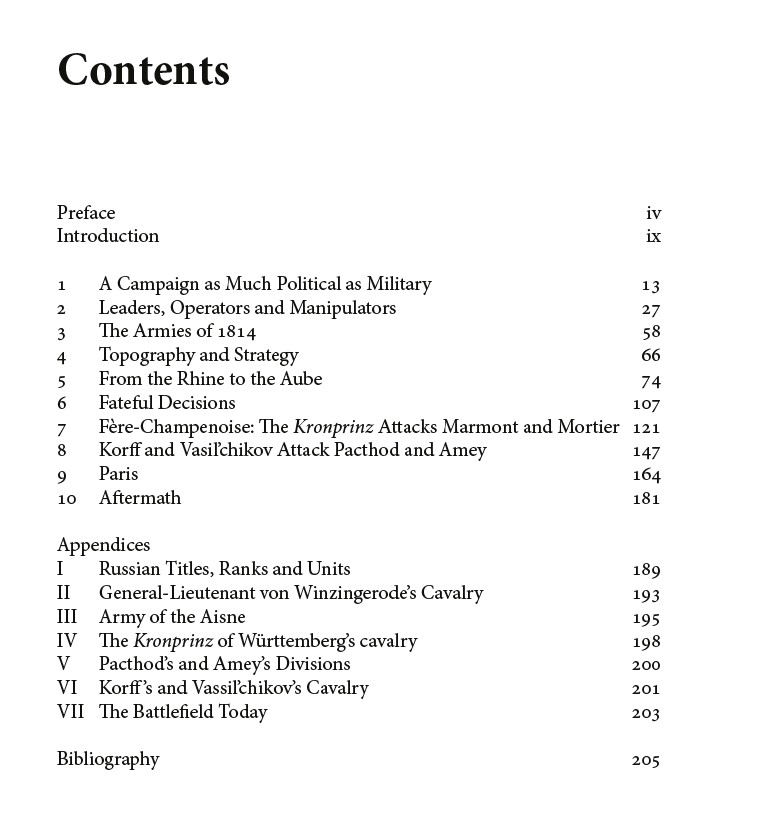
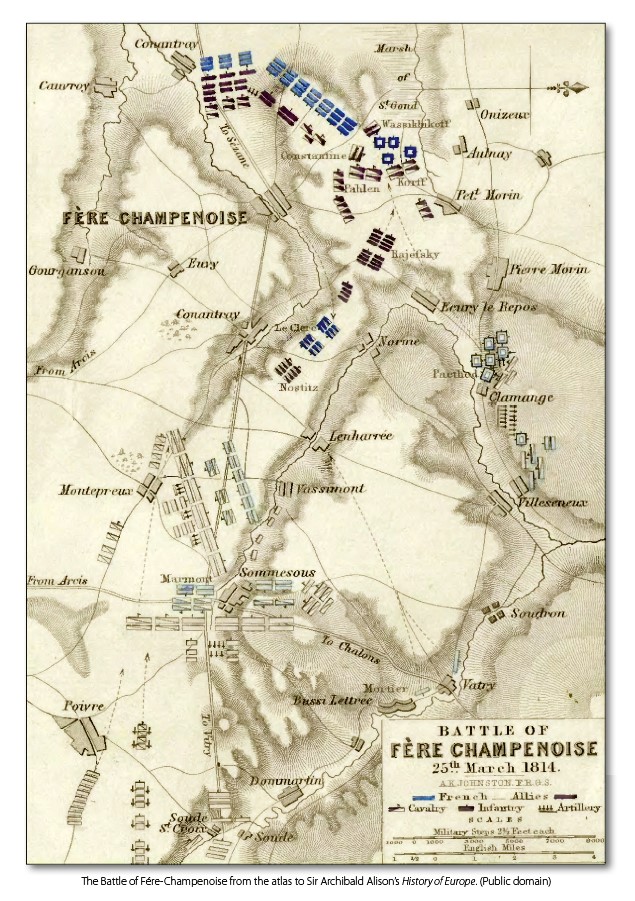


Click images to enlarge
A Very Peculiar Battle tells the story of a unique battle in the Revolutionary and Napoleonic Wars. Fère-Champenoise was two separate battles that merged together. In one, a force of Russian, Württemberg, and Austrian cavalry and horse artillery defeated a larger French force of infantry, cavalry and artillery, opening the way to Paris. In the other, Russian cavalry and horse artillery destroyed Napoléon’s last supply column.
Fère-Champenoise was a far more significant battle than is usually portrayed. Napoléon, after a string of victories in February 1814, had been defeated by superior numbers, first by Feldmarschall Blücher at Laon (9–10 March), then by Feldmarschall Schwarzenberg at Arcis-sur-Aube (20–21 March). Napoléon then gambled on a manoeuvre sur les derrières, moving onto Schwarzenberg’s line of communications and intending to join with troops from his border fortresses and Lyon to force a battle on ground of his choosing.
The allies started to follow, but Emperor Alexander of Russia made a crucial decision on March 24 for the allied armies to ignore Napoléon and head for Paris. The next day, allied cavalry and horse artillery led by the Crown Prince of Württemberg defeated a larger force of the corps of Maréchaux Marmont and Mortier, the last formed French troops barring the way to the capital. This enabled Schwarzenberg’s and Blücher’s armies to combine, defeat the last defenders of Paris, and force the city's surrender before Napoléon could return, allowing the allies to negotiate the end of the campaign without the Empereur being able to participate.
At the same time, a convoy of ammunition and supplies, escorted by the two weak Gardes nationaux divisions of Généraux de division Pacthod and Amey, and trying to find Maréchal Mortier, moved into the path of the advancing Russo-Prussian army. After a heroic retreat, attacked by Russian cavalry and horse artillery, the two divisions were forced to surrender, losing all their vehicles and guns.
The battle was unique in the Revolutionary and Napoleonic Wars. It was two separate battles that merged into one, as both defeated French forces retreated towards the town of Fère-Champenoise, one from the east and the other from the northeast. Four different armies were involved: the main battle between units from the allies’ Hauptarmee and the French Armée de l’Aisne and the secondary one between units from the allies’ Schlesische Armee and a convoy from Maréchal Macdonald’s XI Corps d’Armée, part of Napoléon’s Grande Armée.
Both were encounter battles in that all four armies involved were unaware of the presence of their opponent until they met. In both battles, the allied forces consisted entirely of cavalry and horse artillery, while the French forces contained predominantly infantry and foot artillery. A French force of ligne and garde units panicked, while a force of ill-trained Gardes nationaux fought stubbornly until overwhelmed. During the main battle, a short, violent storm had a devastating effect on the French, while the arrival of the secondary battle prevented the main from being an overwhelming success.
"...Besides offering a highly detailed account of two unfamiliar and battles that should enable wargamers to recreate either or both of them on the tabletop, this book contains much information and analysis of the entire 1814 Campaign in France.....Highly recommended as an excellent resource for wargamers interested in the 1814 Campaign – and as a perfect example of how military history should be presented." Miniature Wargames Magazine, Issue 494, June 2024
"The Battle of Fere-Champanoise, 25 March 1814 was indeed peculiar, and in more ways than one. As such this is a riveting account of the two battles, how they came about, and how they effectively merged into one single engagement certainly scores highly in the ‘peculiarity stakes’....Napoleonic buffs are guaranteed to find the book both entertaining and packed full of detail. My interest in the 1814 campaign has been jump started as a result and the author and Helion are to be commended on this book." carryingsonupthedale blog